

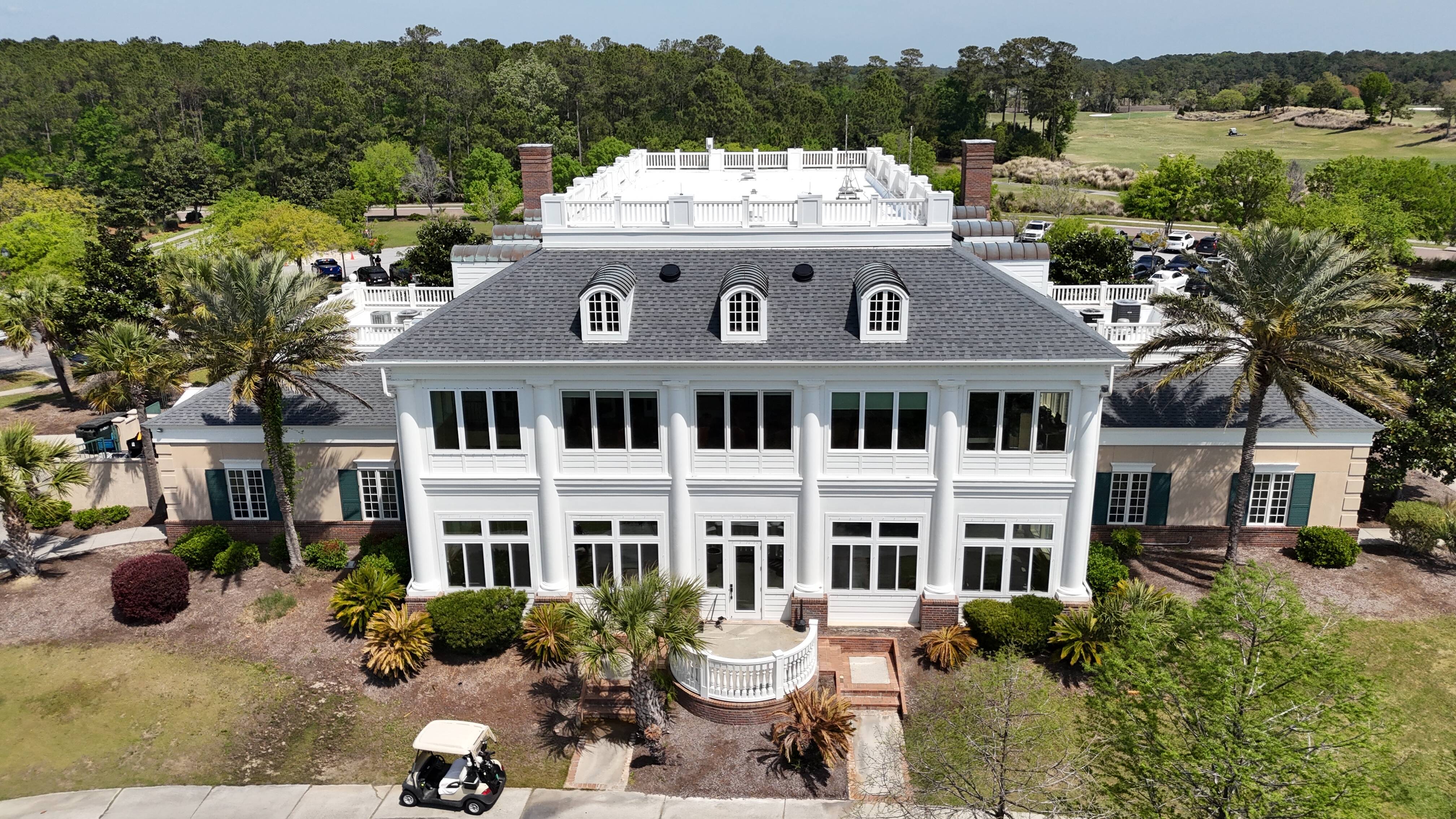
Can You Replace Siding in a Historic Charleston Home?
Charleston’s historic homes are an essential part of the city’s identity. From traditional single houses to historic cottages, these properties reflect architectural styles that date back centuries.
When siding begins to deteriorate, replacement is not always as simple as choosing a new product and scheduling installation. Historic homes often require careful planning, material selection, and in some cases, approval from local review boards. Understanding the process helps protect both the property and its architectural integrity.
Historic District Considerations in Charleston
Many historic properties fall under the oversight of the Board of Architectural Review (BAR). The BAR evaluates exterior changes that are visible from public streets to ensure that updates align with Charleston’s preservation standards.
Projects that may require review include:
- Full siding replacement
- Changing siding materials
- Altering architectural details
- Modifying texture or profile
Before beginning a replacement project, homeowners should verify whether their property falls within a regulated district.
 Material Options That Respect Historic Character
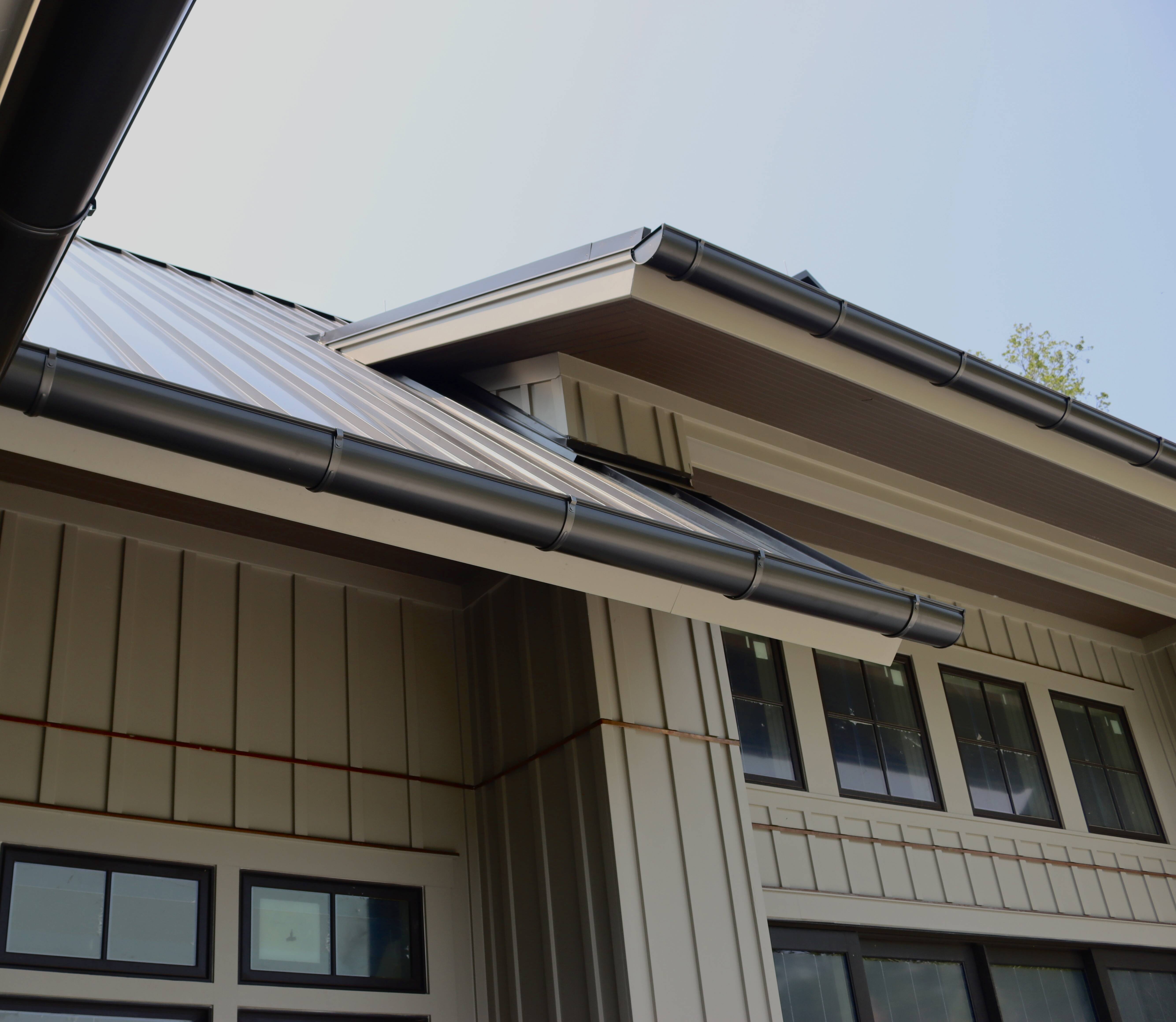
Traditionally, wood clapboard siding was widely used throughout Charleston. When original siding has deteriorated beyond repair, modern materials may be considered — provided they replicate the original dimensions and appearance.
Options sometimes include:
- New wood siding milled to match historic profiles
- Fiber cement products designed to resemble traditional clapboard
- Engineered siding with appropriate reveal spacing
In Charleston’s humid coastal climate, moisture resistance is an important performance factor. Selecting historically appropriate materials that also withstand humidity and storm exposure can improve long-term durability.
Homeowners exploring siding solutions designed for Charleston’s coastal conditions should prioritize materials that balance preservation standards with environmental performance.
Repair vs. Full Replacement
Preservation guidelines often encourage repair over full replacement whenever possible. Isolated areas of rot or damage can sometimes be removed and replaced without disturbing the entire exterior system.
However, when deterioration is widespread or when moisture has compromised underlying framing, a full replacement may be warranted. In these cases, understanding how Charleston’s climate affects exterior siding systems can help homeowners make informed decisions about long-term performance.
Moisture Management in Older Homes
Historic homes were not constructed with modern moisture barriers or ventilation standards. When siding is replaced, it presents an opportunity to improve protection behind the walls while maintaining the home’s outward appearance.
Important considerations include:
- Inspecting sheathing and framing
- Upgrading flashing around windows and doors
- Improving drainage and ventilation
- Ensuring compatibility with original construction methods
Working with contractors experienced in restoring and upgrading historic Charleston exteriors can help ensure both compliance and durability.
Final Thoughts
Replacing siding on a historic Charleston home is possible, but it requires thoughtful planning. Approval processes, material selection, and environmental considerations all play a role in protecting the home’s architectural integrity. With the right approach, homeowners can preserve Charleston’s historic character while strengthening their property against the Lowcountry’s demanding climate.