
Preparing Your Home for Hurricane Season in Charleston, SC: What Homeowners Should Know
Hurricane season is part of life in Charleston, but that does not mean homeowners should wait until a storm is already on the forecast to start preparing. Homes throughout the Lowcountry face a unique mix of salt air, humidity, heavy rainfall, strong sun, tropical storms, and high winds. Over time, those conditions can put stress on the roof, siding, gutters, windows, doors, trim, and drainage systems.
For homeowners in Charleston, Mount Pleasant, Daniel Island, Johns Island, West Ashley, Folly Beach, Sullivan’s Island, Isle of Palms, Kiawah Island, Seabrook Island, and surrounding coastal communities, hurricane preparation is about more than last-minute storm supplies. It is about making sure the home itself is ready to handle the weather it may face. A well-prepared home starts with a strong exterior. Roofing, siding, gutters, windows, doors, fascia, soffit, decking, and drainage all work together to help protect the property from wind, water, and long-term moisture damage.
Why Hurricane Preparation Matters in Charleston
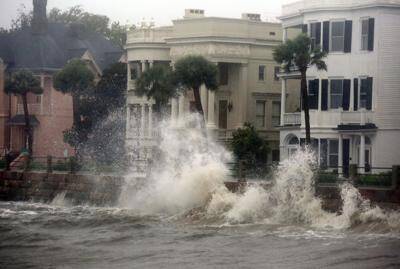
Charleston homes are exposed to coastal conditions throughout the year, but hurricane season brings those risks into sharper focus. Heavy rain can reveal weak spots around the roofline, windows, doors, and foundation. Strong wind can lift loose shingles, damage siding, pull at gutters, and send debris into exterior surfaces. Salt air can slowly corrode metal components, fasteners, flashing, and hardware. High humidity can contribute to trapped moisture, wood rot, and deterioration.
The challenge is that many storm-related issues begin long before a hurricane arrives. A missing shingle, clogged gutter, cracked seal, or small area of soft trim may not feel urgent during normal weather. But once wind-driven rain enters the picture, those small concerns can become much larger problems.
A hurricane-ready home should include:
- A roof that is secure, sealed, and free of missing or lifted shingles
- Siding that is properly attached and resistant to moisture intrusion
- Gutters that are clean, stable, and draining water away from the foundation
- Windows and doors with strong seals, secure hardware, and proper storm protection
- Fascia, soffit, trim, and flashing that are free of rot or deterioration
- Outdoor living areas that are stable, secured, and ready for high winds
That is why many homeowners choose to schedule a professional exterior inspection with a trusted Charleston roofing, siding, and gutter contractor before hurricane season becomes active.
Start with the Roof
The roof is one of the most important protective systems on any coastal home. During a storm, it takes on wind, rain, heat, moisture, and flying debris. If there are already weak points in the roofing system, hurricane season can make them worse quickly. Before the season begins, homeowners should look for missing shingles, lifted shingles, cracked shingles, damaged flashing, exposed nails, soft spots, signs of leaks, and areas where water may be entering the attic or ceiling. Even if the roof looks fine from the ground, there may be issues that are not easy to see without a closer inspection.
A roof inspection before hurricane season can help identify problems early and give homeowners time to make repairs before contractors become booked and material timelines become tighter. In Charleston, roofing materials should be chosen with the local climate in mind. Architectural shingles, standing seam metal roofing, synthetic slate, and designer roofing systems can all offer different benefits depending on the home, budget, location, and long-term goals.
Make Sure Siding Is Secure and Sealed
Siding does more than shape the look of a home. It also helps protect the structure from moisture, wind, humidity, and salt air. During hurricane season, damaged or aging siding can become a major vulnerability. Homeowners should check for cracks, warping, bubbling paint, loose boards, soft trim, gaps, and signs of moisture behind the siding. If wind-driven rain gets behind the exterior surface, it can lead to rot, mold, and damage that may not be visible right away.
For Charleston homes, siding materials should be durable, moisture resistant, and appropriate for coastal exposure. Fiber cement siding, composite siding, vinyl siding, board and batten designs, and other exterior systems can help improve curb appeal while adding another layer of protection. The goal is not only to make the home look better. The goal is to create an exterior that can stand up to the Lowcountry environment.
Do Not Overlook Gutters and Drainage
Gutters are often overlooked until they stop working properly. But during hurricane season, they play a major role in moving water away from the home. When gutters are clogged, sagging, leaking, or undersized, heavy rain can overflow and damage siding, fascia, soffit, landscaping, crawl spaces, and foundations. Before severe weather arrives, homeowners should make sure gutters are clean, securely attached, and draining in the right direction. Downspouts should carry water away from the foundation, not back toward the home.
Seamless aluminum gutters, K-style gutters, half-round gutters, and copper gutter systems can all be used depending on the style of the home and the level of performance needed. For luxury and historic-inspired homes, half-round and copper gutters are often chosen because they combine drainage function with a more refined architectural look.
Check Windows and Doors for Weak Points
Windows and doors are common areas for water intrusion during storms. Older windows, failing seals, cracked caulking, soft wood, and damaged weatherstripping can all create openings for wind-driven rain. Before hurricane season, homeowners should check for drafts, fogged glass, water stains, damaged trim, difficult operation, and visible gaps around frames. Doors should close properly, thresholds should be secure, and exterior seals should be in good condition. For coastal homes, impact-rated windows and properly installed exterior doors can improve storm protection, comfort, energy efficiency, and sound reduction. These upgrades are especially valuable for homes near the water or in areas more exposed to wind and storm systems.
Inspect Fascia, Soffit, Trim, and Exterior Details
The smaller exterior details of a home can be just as important as the larger systems. Fascia, soffit, trim, flashing, and exterior boards often sit near areas where water collects or wind pushes rain into vulnerable spaces. If fascia or soffit is rotted, cracked, loose, or damaged, it can affect gutter performance, roof ventilation, and moisture protection. These areas should be checked before hurricane season, especially on older homes or homes with past water issues.
Before hurricane season, homeowners should check for:
- Missing, cracked, or lifted roof shingles
- Clogged, sagging, or leaking gutters
- Loose siding, gaps, cracks, or signs of moisture damage
- Soft or rotted fascia, soffit, trim, or exterior boards
- Drafty windows, cracked caulking, or damaged weatherstripping
- Loose deck boards, railings, furniture, planters, or exterior décor
Repairing small exterior details early can help prevent more expensive damage later.
Prepare Outdoor Living Areas
Charleston homeowners love their outdoor spaces, from porches and patios to decks, railings, and covered living areas. But those spaces also need attention before hurricane season. Loose deck boards, aging railings, unsecured furniture, weak fasteners, and unstable exterior structures can become hazards during strong wind. Outdoor furniture, planters, grills, umbrellas, and décor should be secured or stored before a storm. Decks and porches should be inspected for movement, rot, loose boards, and drainage issues. For long-term performance, many homeowners choose composite decking, hardwood decking, cable railing systems, and under-deck ceiling systems designed for coastal conditions.
Think of the Home as One Connected System
One of the most important things to understand about hurricane preparation is that the exterior of the home works as one connected system. The roof, siding, gutters, windows, doors, trim, drainage, and outdoor structures all support each other. A strong roof is important, but clogged gutters can still send water where it does not belong. New siding can improve protection, but old windows may still allow moisture inside. A beautiful deck may add value, but loose boards or railings can create problems when wind picks up.
The best hurricane preparation looks at the full exterior, not just one isolated project. For homeowners who want to be proactive, investing in exterior upgrades built for the Lowcountry climate can help protect the home before severe weather becomes an emergency.
Final Thoughts
Preparing a Charleston home for hurricane season is about protecting the property before problems happen. The Lowcountry climate is beautiful, but it can also be demanding. Salt air, humidity, heavy rainfall, strong winds, and tropical systems all affect how a home performs over time. Roofing, siding, gutters, windows, doors, fascia, soffit, decking, and drainage should all be inspected and maintained before hurricane season becomes active. Small repairs made early can help prevent larger issues once severe weather arrives.
For Charleston homeowners, hurricane preparation is not just a seasonal task. It is part of responsible homeownership in a coastal environment.