

Hidden Health Considerations for New Southern Residents
Relocating to the South brings sunshine, coastal charm, and a welcoming pace of life that attracts thousands of new residents each year. Warmer winters, easy access to beaches, and strong community ties make the region appealing. Yet settling into a new environment involves more than unpacking and decorating. Climate patterns, allergens, food traditions, and healthcare systems can all influence your well-being in ways you may not expect. Before you learn something new about Charleston, it is worth understanding how daily life here may affect your health. This guide explores important health considerations for new Southern residents so you can transition smoothly, protect your well-being, and fully enjoy your new home.
Climate Shock and Heat Adaptation
Relocating to the South introduces a climate that many newcomers underestimate. The issue is not temperature alone. Humidity plays a defining role in how the body reacts. Moist air slows evaporation, which means sweat does not cool you efficiently. As a result, routine moving tasks—lifting furniture, carrying boxes, walking between the truck and home—feel more exhausting than expected. Fatigue sets in quickly. Dehydration risk increases, especially during late spring and summer when high temperatures extend into the evening hours.
In this environment, physical strain compounds logistical pressure. Tight timelines, delivery coordination, and unpacking schedules often force people to work during peak heat. Without careful planning, heat exposure can lead to dizziness, reduced stamina, and avoidable health stress. Even indoor spaces offer limited relief if ventilation and cooling systems are not fully operational on arrival day.
That is where professional help makes a measurable difference. Fast Fietz Moving is a full-service relocation provider that manages packing, loading, transportation, and unloading with trained crews who understand the physical demands of hot-weather moves. By handling the heavy lifting and operational coordination, they reduce direct heat exposure for homeowners and minimize exertion during the most demanding phases of the transition. Their team works efficiently, schedules strategically, and keeps the process organized so clients can focus on settling in rather than overexerting themselves outdoors.
However, even with expert support, personal heat management remains essential. Consistent hydration, including electrolyte balance, supports cardiovascular stability during long days. Planning strenuous activity for early morning or near sunset reduces thermal strain. Gradual exposure to outdoor conditions helps the body adapt more safely after arrival. Indoors, functional air conditioning, proper ventilation, and ceiling fans improve airflow and stabilize humidity levels.
Adapting to Southern heat requires awareness, pacing, and logistical control. With experienced movers managing the operational workload and a deliberate approach to climate adjustment, the transition becomes safer, more efficient, and far less physically taxing.
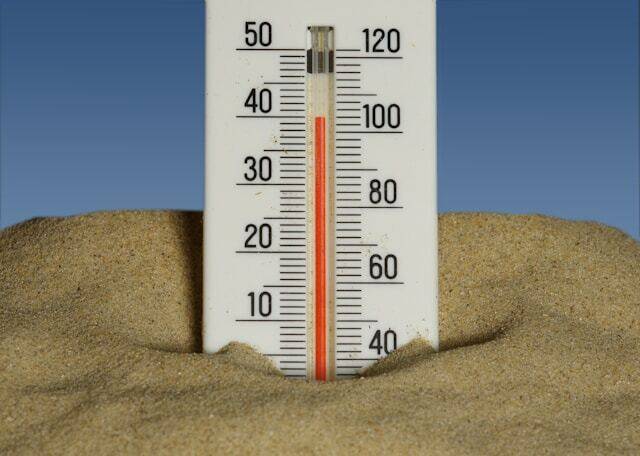
The change in climate can be a huge shock
Seasonal Allergies and Air Quality
The South’s extended growing season means pollen appears earlier and lingers longer than in many northern regions. Tree pollen dominates the spring months, followed by grasses in summer and weeds in early fall. Humidity also creates ideal conditions for mold growth, both outdoors and inside homes. For individuals with asthma or seasonal allergies, symptoms may intensify after relocation.
Regular HVAC maintenance and high-efficiency air filters can significantly improve indoor air quality. Many residents monitor daily pollen counts before planning outdoor activities. Preventive allergy medication, taken before peak pollen periods, often provides better symptom control than reactive treatment. During heat waves, ozone levels may rise, contributing to respiratory discomfort. Checking local air quality reports before outdoor exercise can reduce unnecessary exposure. These environmental realities are central health considerations for new Southern residents adjusting to year-round plant life.
Mosquitoes, Ticks, and Outdoor Exposure
Warm temperatures and frequent rainfall create ideal breeding conditions for mosquitoes and other insects. Standing water in yards, marshy areas, and even small containers can increase mosquito populations. Ticks are common in wooded trails and grassy landscapes. While outdoor living is one of the South’s greatest benefits, insect awareness is essential.
Wearing long sleeves in shaded or wooded areas, applying effective repellents, and performing routine tick checks after outdoor activities reduce risk. Yard maintenance also plays a protective role. Clearing debris and ensuring proper drainage helps discourage breeding. Families with children or pets should speak with healthcare providers and veterinarians about preventive options. With thoughtful precautions, outdoor recreation remains safe and enjoyable.
Water, Coastal Living, and Environmental Risks
Many new residents are drawn to coastal properties and modern apartments in Charleston that offer proximity to beaches and waterfront views. Coastal living supports an active lifestyle filled with boating, swimming, and seafood dining. However, salt air and persistent humidity can affect respiratory comfort for sensitive individuals. Monitoring symptoms and adjusting time outdoors during high-humidity days may be necessary for those with asthma.
Occasional algal blooms or red tide events can influence water safety. Staying informed through local advisories helps prevent unnecessary exposure. Flooding after heavy storms presents another concern, as damp conditions encourage mold growth. Prompt drying and professional inspection of water-damaged areas reduce long-term respiratory risks. Preparing for hurricane season by maintaining medication supplies and emergency plans protects both physical and mental well-being.
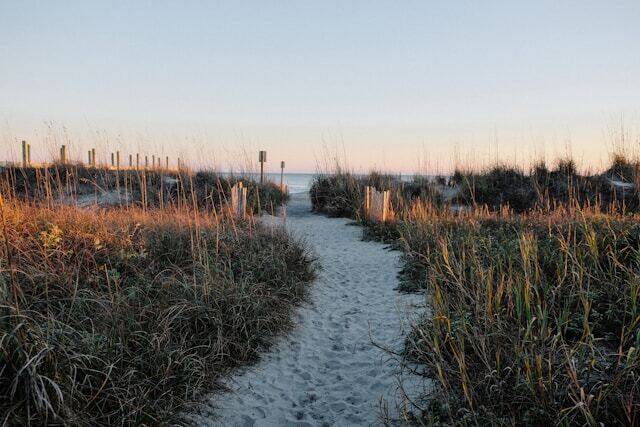
The proximity to beaches is often praised, but it carries health considerations for new Southern residents
Mental Health and Social Adjustment
Relocation stress often hides beneath initial excitement. Leaving familiar routines and support systems can lead to feelings of isolation. Adjusting to a slower pace of life may feel unsettling for some newcomers. Building community takes intention and time.
Participating in neighborhood events, joining local groups, and exploring nearby towns can strengthen social connections. Communities such as Summerville, Charleston, offer welcoming environments where social life centers around shared spaces and local activities. Access to mental health providers, including telehealth services, ensures continuity of care during transition. Sunlight and outdoor recreation can improve mood, yet emotional health still requires active support. Recognizing these psychological shifts is just as important as addressing physical changes.
Healthcare Access and Preventive Planning
Healthcare systems vary significantly across states and counties. Establishing care with a primary provider soon after moving creates a foundation for preventive screenings and chronic condition management. Understanding the difference between urgent care centers and hospital emergency departments can save time and expense.
Insurance coverage networks may change after relocation. Confirming in-network providers before scheduling appointments prevents unexpected costs. Prescription transfers should be arranged before current medications run low. Many regions now offer telehealth access to specialists, improving convenience for suburban and coastal residents alike. Proactive planning simplifies the transition and supports long-term stability.
Nutrition, Food Culture, and Sun Safety
Southern cuisine reflects tradition and comfort, and food often anchors social life across the region. Fried dishes, barbecue, buttery sides, and sweet beverages frequently appear at gatherings and celebrations. While these meals are part of local identity, thoughtful choices support cardiovascular and metabolic health, especially in a warmer climate where hydration and sodium balance matter more.
If you are adjusting your eating habits after relocating, focus on small, sustainable shifts such as:
- Limiting fried foods to occasional meals rather than weekly staples
- Monitoring sodium intake to support healthy blood pressure
- Choosing grilled, baked, or steamed options over deep-fried dishes
- Incorporating fresh vegetables from local farmers’ markets
- Adding coastal seafood for lean protein and omega-3 benefits
These practical changes allow you to enjoy regional flavors without sacrificing long-term wellness. For many households, these dietary shifts become essential health considerations for new Southern residents who want to participate in food traditions while maintaining balance.
Sun exposure also deserves consistent attention. Even in cooler months, UV radiation can remain strong, particularly in coastal areas. Protective habits should become part of your daily routine, including:
- Applying broad-spectrum sunscreen year-round
- Wearing wide-brimmed hats and UV-blocking sunglasses
- Choosing lightweight, long-sleeved clothing for extended outdoor time
- Scheduling annual skin checks with a dermatologist
Combining smart nutrition with sun protection creates a strong foundation for thriving in your new Southern environment.
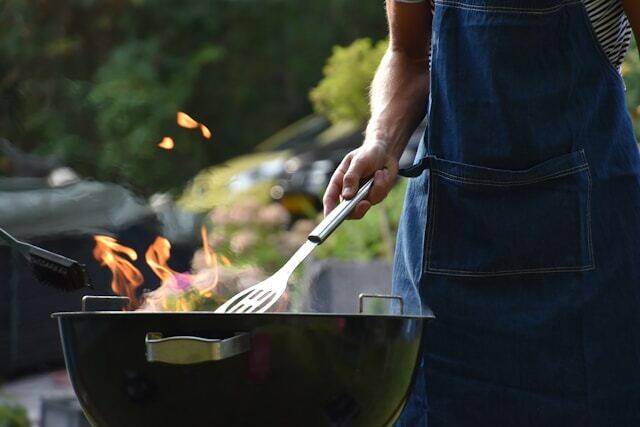
Food is a social anchor
These Health Considerations for New Southern Residents Are Very Important
Relocating to the South offers opportunity, warmth, and connection. Thriving in this environment requires awareness of climate patterns, allergens, healthcare access, nutrition, and emotional adjustment. By understanding health considerations for new Southern residents, you can anticipate challenges before they arise and create habits that support long-term well-being.
https://unsplash.com/photos/man-wiping-mouse-with-tissue-paper--CDN2nTKfrA
https://unsplash.com/photos/a-thermometer-in-the-sand-with-a-blue-sky-in-the-background-V2AMRkAUCnA
https://unsplash.com/photos/brown-grass-on-river-during-daytime-ei6rRkX80s0
https://unsplash.com/photos/man-grilling-outdoor-ul_m5dHThaM