


How Emergency Prep Changes When You Move to the Lowcountry
Relocating brings excitement, but it also brings new risks to plan for. When emergency prep changes when you move to the Lowcountry, your old habits may no longer work. Coastal weather, flooding, and heat shape daily life here. You need a plan that fits this region, not the place you left behind. The Lowcountry has beauty, history, and charm, yet storms and tides demand respect. If you are new to the area, preparation starts before the first heavy rain. Let's explore how emergency planning shifts once you move to Charleston and settle near the coast. With the right steps, you protect your home, your time, and your peace of mind.
Why Emergency Prep Changes When You Move to the Lowcountry
Living near the coast means the weather behaves differently. Storms form faster and linger longer. Heavy rain can flood streets within hours. Tides and storm surge also affect low-lying neighborhoods. Because of this, emergency prep changes when you move to the Lowcountry in ways many newcomers do not expect. You prepare earlier and act faster. Evacuation routes matter more. Supplies need waterproof storage. Power outages can last longer during hurricanes. You also plan for heat and humidity, not just storms. These factors shape how residents prepare. Learning this early helps you avoid panic later. Preparation here focuses on timing, access, and flexibility rather than just supplies.

Emergency prep changes when you move to the Lowcountry, and you should be prepared for it.
Know the Lowcountry Areas Around Charleston
Charleston includes several Lowcountry communities with unique risks. Downtown Charleston sits low and floods during heavy rain. Areas like West Ashley and James Island also experience standing water during storms. Mount Pleasant faces coastal exposure and evacuation planning. John's Island blends rural land with flood-prone roads. These locations share beauty and history, yet water plays a major role. Emergency planning depends on where you live within the region. A downtown condo needs a different plan than a marsh-side home. Knowing your area helps you prepare smartly. Check flood zones and local alerts before storms. Local knowledge often matters more than national advice.
Planning While Moving Across the Country
Relocation often feels rushed, especially when moving across the country with limited time. Emergency prep can feel like one more task. Still, early planning saves stress later. Before arrival, research local risks and weather seasons. Learn evacuation routes near your new address. Set up alerts for Charleston County emergencies. Pack a basic emergency kit separately from moving boxes. This keeps it accessible during your first weeks. New residents often wait too long to prepare. Starting early builds confidence and reduces surprises.
How Siding Choices Support Emergency Readiness
Emergency preparation in the Lowcountry is not only about supplies and plans. Your home’s exterior plays a major role in how well it handles storms. In coastal areas like Charleston, many homeowners start asking what the best siding products are for the Charleston climate as part of long-term emergency planning. Strong siding helps protect against heavy rain, wind, and flying debris during storms. Materials that resist moisture and heat reduce damage risks during hurricanes and long power outages. This matters even more in low-lying neighborhoods where weather exposure is constant. Choosing durable siding supports safer shelter-in-place decisions and lowers repair stress after storms. When emergency prep changes when you move to the Lowcountry, thinking about how your home is built becomes just as important as what you store inside it.
Flood Awareness Becomes Part of Daily Life
Flooding is not rare in the Lowcountry. It happens during storms, king tides, and heavy rain. Preparation includes knowing when roads close and where water collects. Keep a weather app with local alerts. Store important documents in waterproof containers. Park vehicles on higher ground when storms approach. Flood insurance often becomes part of long-term planning. Even homes outside flood zones can face water issues. Preparation here focuses on awareness, not fear. Simple habits reduce stress and damage. Over time, residents learn patterns and adapt quickly.
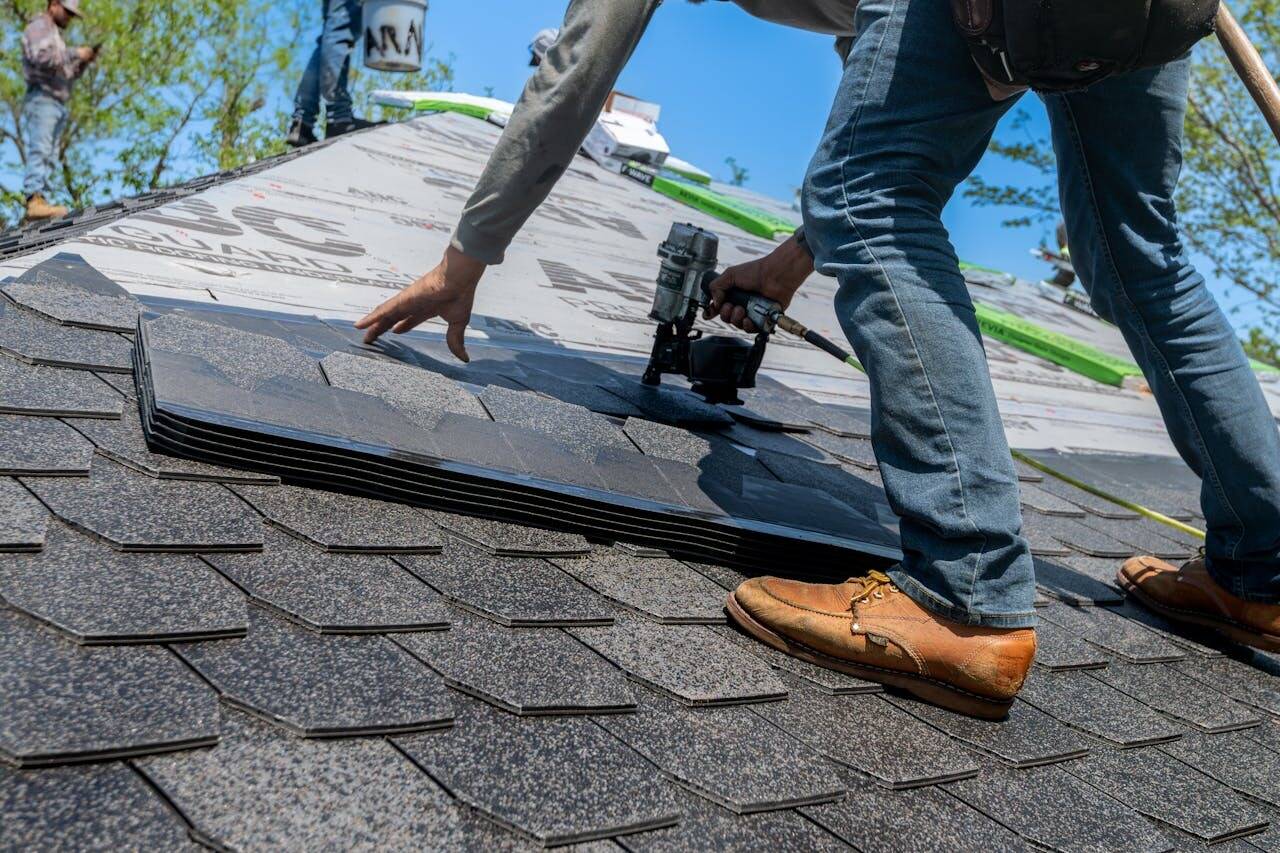
Managing little repairs on time goes a long way toward damage prevention.
How to Manage Repairs on Short Notice
Flooding and heavy rain make home maintenance part of emergency planning in the Lowcountry. Small issues can turn into serious problems during storms if left unchecked. This is why many homeowners learn how to spot a roof leak and what to do about it before hurricane season begins. Water stains, musty smells, or dripping after heavy rain often signal trouble. Catching these signs early helps you avoid interior damage during emergencies. When roads flood, and contractors are unavailable, unresolved leaks create added stress. Emergency prep here includes routine checks, not just supplies. As emergency prep changes when you move to the Lowcountry, understanding how your home reacts to storms helps you stay safer and respond faster when weather conditions worsen.
Power Outages Last Longer Near The Coast
Storms often knock out power across wide areas. Coastal winds damage lines and delay repairs. Plan for longer outages than you may expect. Charge devices early when storms approach. Keep backup chargers ready. Know where cooling centers are located in case the heat becomes intense. Avoid opening refrigerators during outages to preserve food. Neighbors often share updates and help each other. Community awareness plays a strong role in recovery. Preparation here includes patience and communication.
Local Communication Matters More
In some regions, evacuation feels unlikely. In the Lowcountry, it becomes a real option. Hurricanes can require early movement. Know your zone and routes. Decide where you would go ahead of time. Keep your vehicle fueled during storm season. During emergencies, local updates beat national news. Follow Charleston officials and weather services. Sirens, alerts, and road closures change quickly. Neighbors often share helpful updates. Community groups online provide real-time information. Emergency prep here includes staying informed. Information helps you act wisely. Relying on local sources keeps you ahead of changing conditions.
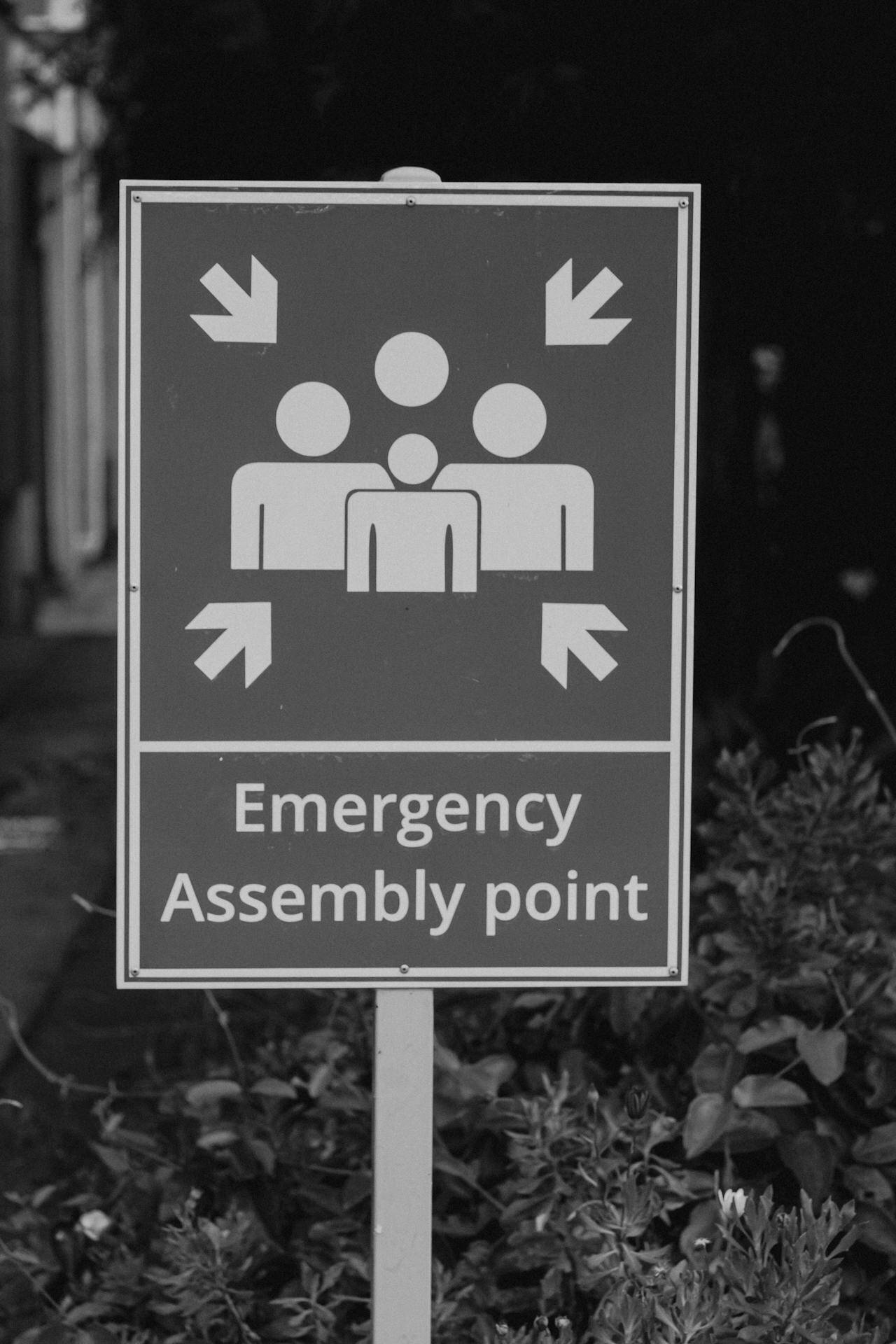
During emergencies, communication between locals beats the news.
Conclusion: Prepared Living Brings Peace of Mind
Life in the Lowcountry offers beauty, culture, and coastal charm. It also demands respect for nature. When emergency prep changes when you move to the Lowcountry, adapting early helps you settle with confidence. Knowing your area, planning for floods, and preparing for storms protects your home and family. Simple steps make emergencies manageable. Preparation becomes a habit, not a burden. With the right mindset and tools, you enjoy Charleston while staying ready for whatever weather comes next.
Photos used:
https://www.pexels.com/photo/professional-roofer-installing-shingles-on-new-roof-33404248/
https://www.pexels.com/photo/drone-shot-of-the-charleston-beach-12453930/
https://www.pexels.com/photo/close-up-of-a-sign-16161088/
https://www.pexels.com/photo/food-donation-with-cans-and-fresh-vegetables-6590914/