


The Logistics of Moving to a Peninsula: Why Geography Drives Your Daily Decisions
Moving to a peninsula can feel like stepping into a postcard. Water on multiple sides, dramatic views, and a slower rhythm of life are powerful draws. Yet beneath the beauty lies a unique logistical reality. Geography does not simply shape the scenery; it influences how you shop, commute, plan emergencies, and even socialize. Understanding these factors before you move helps turn what could be daily friction into thoughtful routines that support the lifestyle you’re seeking.
Understanding What Makes a Peninsula Unique
A peninsula is defined by its relationship to water and land access. With water surrounding it on most sides, entry and exit points are often limited. This geographic constraint affects everything from traffic flow to supply chains. Unlike inland cities with multiple routes in every direction, peninsulas tend to funnel movement through a few main corridors. That reality brings charm and challenges in equal measure, and it is the foundation for many daily decisions you will make after relocating.
Moving to a Peninsula: Access Points Shape How You Travel
Moving to a Peninsula often means relying on bridges, causeways, tunnels, or a single main road. These access points become part of your mental map very quickly. Morning routines may shift to accommodate peak traffic times, and errands start to feel more intentional. A quick trip off the peninsula can require planning, especially during tourist seasons or adverse weather. Over time, residents often develop a strong awareness of timing, choosing when to leave and return with care.
Moving Day Logistics Require Extra Foresight
Relocating to a peninsula introduces considerations that may not exist elsewhere. Narrow roads, weight limits on bridges, ferry schedules, and restricted delivery hours can all affect moving day. Planning well in advance allows you to coordinate arrival times and equipment needs more smoothly. When movers understand the geography, they can route trucks efficiently and avoid last-minute surprises. This foresight reduces stress and sets a positive tone for settling into your new home.
Supply Chains Influence Local Availability
Geography plays a direct role in what appears on store shelves. Many goods must travel through limited entry points, which can affect availability and pricing. Fresh produce, building materials, and specialty items may require longer lead times. Residents often adapt by shopping locally, building relationships with neighborhood vendors, or scheduling larger, less frequent supply runs. This shift encourages mindfulness about consumption and supports local businesses that understand the peninsula’s rhythms.
Weather Patterns Become Daily Considerations
Water shapes weather, and peninsulas feel that influence acutely. Coastal winds, fog, and sudden storms can affect travel and outdoor plans. Residents learn to check forecasts regularly and keep flexible schedules. Over time, weather awareness becomes second nature, guiding decisions like when to commute, when to run errands, and when to enjoy the outdoors. This connection to natural patterns often deepens appreciation for the environment while reinforcing practical habits.
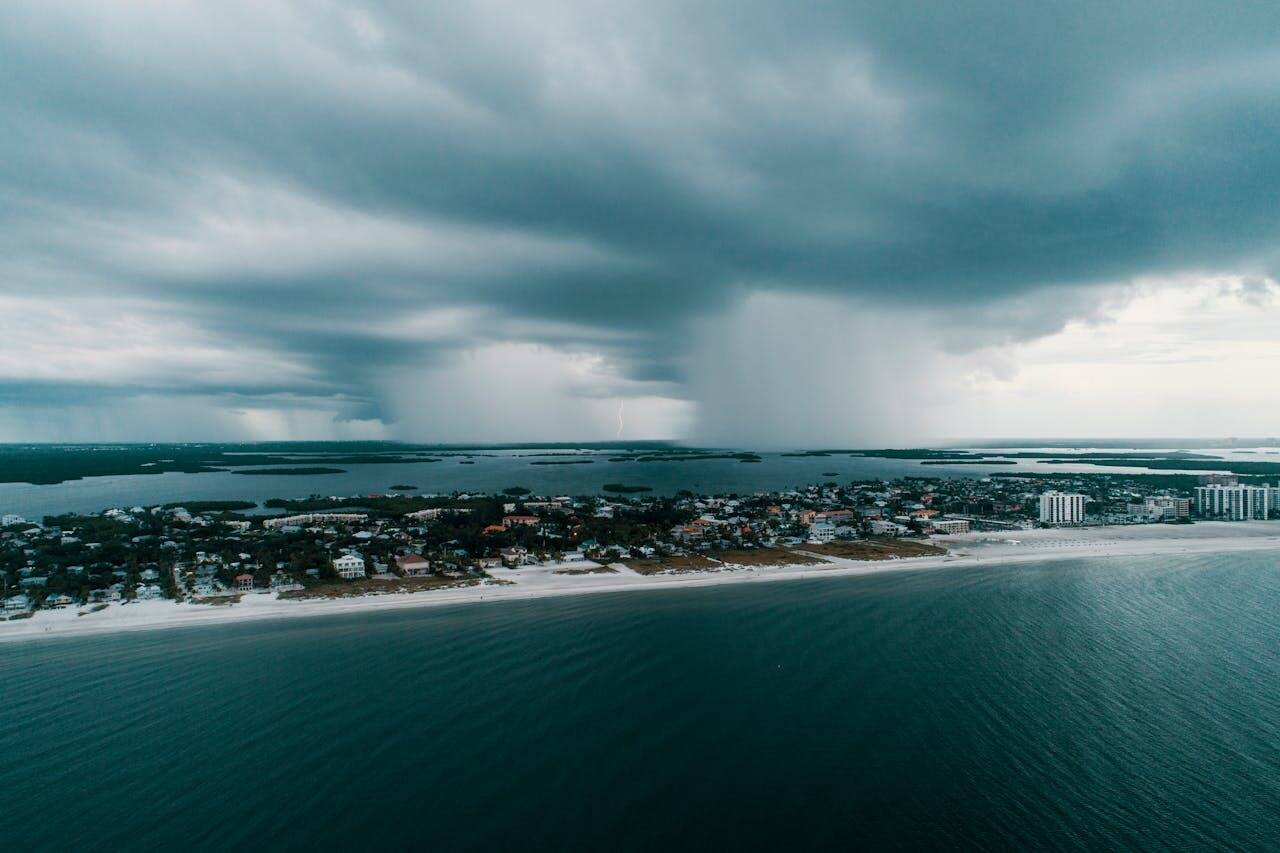
When moving to the Peninsula, weather patterns become important.
Emergency Planning Takes on Greater Importance
Limited access routes mean emergency planning deserves extra attention. Whether preparing for storms, power outages, or medical needs, peninsula living rewards proactive thinking. Residents often keep emergency supplies on hand and stay informed about local response plans. Community communication becomes especially valuable, as neighbors rely on shared knowledge and coordination during disruptions. Geography encourages preparedness, fostering resilience and a strong sense of collective responsibility.
Housing Decisions Reflect Transportation Realities
Choosing where to live on a peninsula involves more than aesthetics. Proximity to access points, workplaces, schools, and essential services matters greatly. A home closer to the main entry route may offer easier commutes, while properties farther out provide tranquility at the cost of longer travel times. Buyers and renters quickly learn to weigh views and privacy against daily convenience, allowing geography to guide practical housing choices.
Social Life Adapts to Natural Boundaries
Peninsula geography influences how communities connect. With fewer entry points, residents often spend more time locally, strengthening neighborhood ties. Social gatherings tend to be planned rather than spontaneous, as traveling off the peninsula requires coordination. Over time, this fosters deeper relationships and a strong local identity. The water that surrounds the land also becomes a shared focal point, shaping leisure activities and community traditions.
Budgeting for the True Cost of Distance
Distance takes on new meaning when access is limited. Fuel usage, vehicle wear, and delivery fees can add up, especially for households that commute frequently off the peninsula. During the relocation process, understanding interstate moving costs is especially important. Longer routes, specialized equipment, and timing constraints can increase expenses, but careful planning can help make the relocation more affordable. By accounting for interstate moving costs early and adjusting schedules or shipment sizes, households gain better control over their budgets and avoid unwelcome surprises.
Daily Errands Become Strategic Choices
Simple tasks like grocery shopping or picking up prescriptions often require more forethought on a peninsula. Residents learn to combine errands, track inventory at home, and anticipate needs. This strategic approach saves time and reduces unnecessary travel. While it may feel restrictive at first, many people find that it leads to more efficient routines and fewer rushed trips, ultimately creating a calmer pace of life.

Residents learn to combine errands, track inventory at home, and anticipate needs.
Environmental Awareness Shapes Everyday Habits
Living surrounded by water naturally heightens environmental awareness. Waste management, water usage, and conservation efforts take on greater significance. Many peninsula communities emphasize sustainability to protect fragile ecosystems. Residents often adopt habits that reflect this mindset, from mindful disposal practices to supporting initiatives that preserve coastal resources. Geography encourages a sense of stewardship that influences daily choices in subtle but meaningful ways.
Adapting Mindset for Long-Term Satisfaction
Perhaps the most significant adjustment when moving to a peninsula is mental rather than logistical. Accepting that geography will influence your decisions allows you to work with it instead of against it. Flexibility, patience, and planning become valuable traits. Over time, routines align with natural constraints, and what once felt like limitations begin to feel like structure. This shift in perspective is key to long-term satisfaction.
Letting Geography Work for You
Moving to a peninsula is not simply a change of address; it is an invitation to live in closer dialogue with geography. Roads, water, weather, and access points quietly shape how you move through each day. When you understand these forces and plan accordingly, they stop being obstacles and start becoming guides. With thoughtful preparation and an open mindset, peninsula living offers a rewarding balance of beauty, community, and intentional living where daily decisions feel grounded and purposeful.
https://www.pexels.com/photo/a-woman-using-digital-tablet-sitting-on-the-bed-7310211/
https://www.pexels.com/photo/aerial-photography-of-city-island-under-white-clouds-1384901/
https://www.pexels.com/photo/a-person-holding-paper-bags-4440795/