

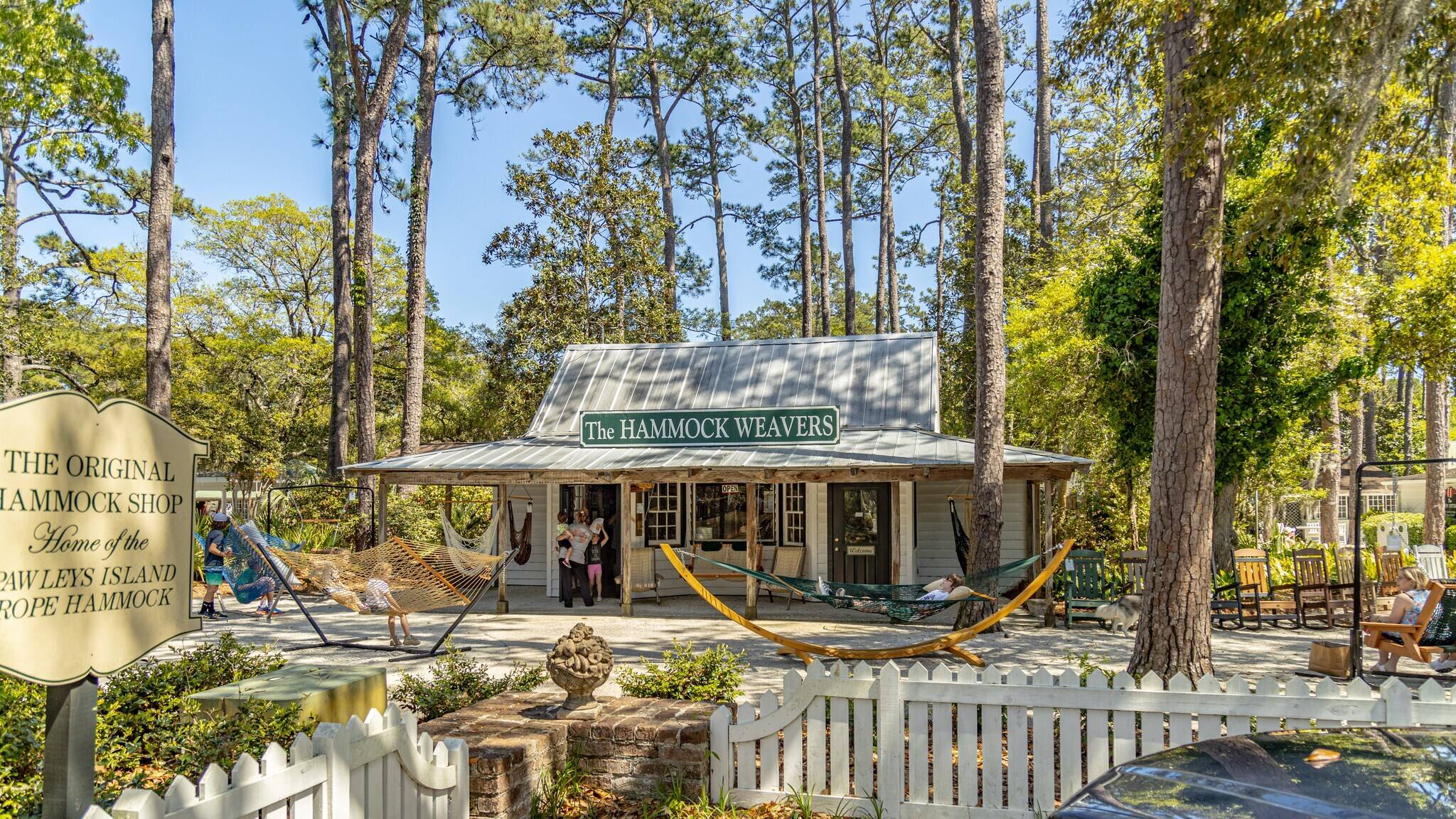
The Pawleys Island Classic Rope Hammock The Lowcountry’s Original Way to Relax
 Along the South Carolina coast, time seems to move a little slower. Mornings start with coffee on the porch, afternoons drift into time on the water, and evenings usually end with a breeze coming off the marsh. Somewhere in between all that, there’s often a hammock involved. Few capture that Lowcountry rhythm better than the classic rope hammock from Pawleys Island Hammocks. With its clean white rope and wooden spreader bars, it’s a familiar sight across coastal South Carolina, hanging between live oaks, stretching across porches, or swaying quietly in backyard gardens. The design has been around for more than a century, and in an outdoor market filled with new gear and trends, that kind of staying power says a lot. The real question is whether it still holds up today. After spending time with the Original Cotton Rope Hammock, it’s easy to see why this design hasn’t needed much change.
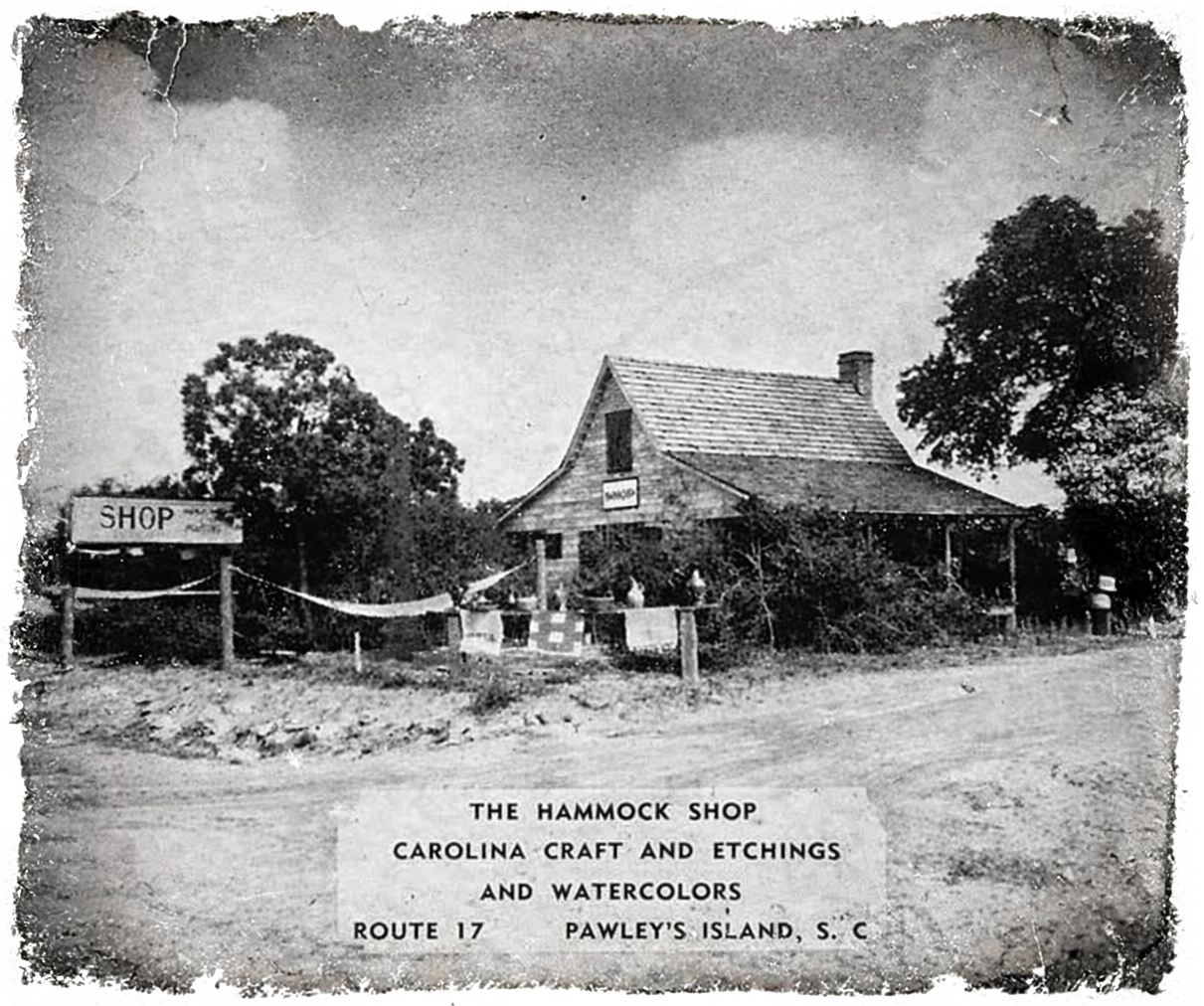
The story behind the hammock starts in the late 1800s with riverboat captain Joshua John Ward known locally as Cap’n Josh. Living along the humid Carolina coast, Ward wanted a hammock that was comfortable enough to sleep in during the summer months. The hammocks available at the time were often made from thick canvas or rough rope tied with bulky knots, which made them stiff and uncomfortable after a while. Ward experimented with a different approach, weaving soft cotton rope into a lattice pattern that eliminated knots in the main body of the hammock. The result was smoother, more supportive, and far more breathable in the Southern heat. He paired that weave with wooden spreader bars that kept the hammock open and balanced, creating the foundation of what eventually became the Pawleys Island hammock. More than 130 years later, the basic design is still the same, which says a lot about how well it worked from the start.
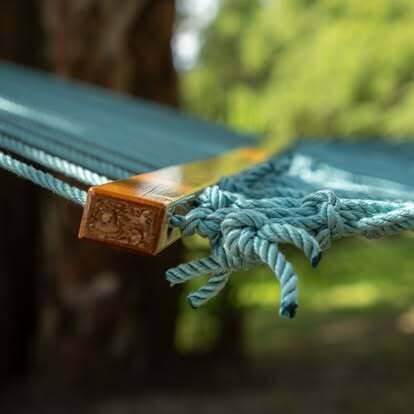
 Setting one up today, the first thing that stands out is the craftsmanship. The hammock body uses roughly 1,200 feet of soft cotton rope woven into a flexible lattice that feels sturdy without being stiff. When you first sit down, the rope settles naturally around your body, creating a supportive cradle rather than the tight pressure points that some rope hammocks can have. The cotton also gives it a softer feel compared with synthetic rope, which makes a noticeable difference when you’re actually spending time in it. The spreader bars are made from white oak, a wood known for holding up well in outdoor environments. They’re finished with marine grade varnish that protects them from moisture while giving the wood a warm, natural look. Add in zinc plated hanging hardware and tightly tied clew knots at each end, and the whole setup feels solid and thoughtfully built. Nothing about it feels flimsy or temporary. It’s the kind of construction that makes sense for something designed to spend most of its life outdoors.
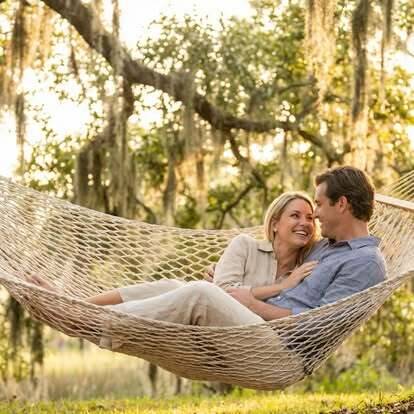
 Where the Pawleys Island hammock really shines, though, is comfort. The open rope weave allows air to move freely underneath you, which makes a big difference during hot coastal afternoons. Instead of trapping heat the way fabric hammocks sometimes do, the rope design stays cool and breathable. The hammock itself is generously sized, giving you plenty of room to stretch out or even share it with someone else. Once you settle in, the rope gently contours to your body, creating that familiar hammock “sway” that seems to instantly slow everything down. It’s the kind of comfort that works just as well for reading a book as it does for an afternoon nap. Spend enough time in it, and you start to understand why hammocks like this have become such a staple along the Carolina coast.
Another thing that makes the classic rope hammock appealing is how naturally it fits into outdoor spaces. The design is simple, but that simplicity works in its favor. The white rope and natural oak bars look right at home in coastal settings, whether the hammock is hanging between two old live oaks or mounted on a stand near a porch or dock. It doesn’t feel overly styled or trendy, it just feels timeless. That’s part of the charm. While some outdoor furniture can feel dated after a few seasons, a rope hammock like this tends to age into its surroundings. Over time it becomes less like a piece of furniture and more like part of the landscape.
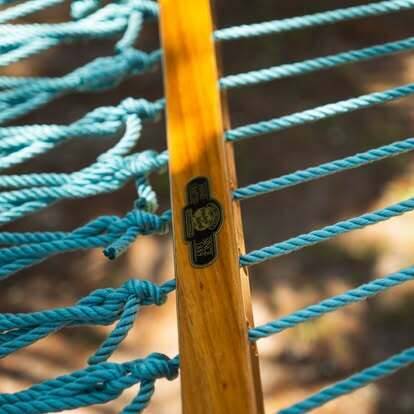 Of course, there are a few practical things to keep in mind. Because the traditional version uses cotton rope, it benefits from a little care. Leaving it out during heavy storms or long stretches of rain can shorten the life of the rope, so many owners bring the hammock inside during bad weather or cover it when it’s not in use. Pawleys Island does offer weather resistant rope versions for people who want something more permanent outdoors, but many hammock fans still prefer the classic cotton model for its softer feel and traditional look. With just a little attention, the original design can last for years.
In a world where outdoor products are constantly being redesigned and rebranded, Pawleys Island Hammocks has stayed remarkably true to its roots. The company has built its reputation on a design that dates back more than a century, and rather than chasing trends, it has focused on preserving the craftsmanship and quality that made the original hammock so popular in the first place. That commitment to tradition is part of what makes the brand stand out today. Every classic rope hammock still reflects the same simple idea Cap’n Josh started with along the Carolina coast build something comfortable, durable, and timeless. More than 130 years later, Pawleys Island Hammocks continues to carry that legacy forward, proving that sometimes the best products are the ones that never needed reinventing in the first place.
Click here to check out more awesome products from Pawleys Island Hammocks!!
Written by Nick Levine
Outdoor Enthusiast | Gear Reviewer | Fishing & Inshore Specialist