

What Are Some Home Renovation Tips When Doing Exterior Projects and Additions?
Why Exterior Renovation Planning Matters
Exterior renovations and home additions are some of the most impactful investments a homeowner can make. Projects involving roofing, siding, gutters, windows, doors, decking, and custom home exteriors not only improve curb appeal but also play a critical role in protecting the structure and long-term value of a home.
In areas like Charleston, South Carolina - where heat, humidity, heavy rainfall, and coastal conditions are part of daily life - planning exterior projects carefully is essential. Working with exterior renovation professionals in Charleston who understand local conditions can help ensure materials and installation methods are suited to the environment.
Exterior improvements are not just visual upgrades. When executed correctly, they strengthen a home’s durability, efficiency, and overall performance.
Understanding the Challenges of Exterior Renovations
Exterior renovation projects face challenges that interior updates often do not. Roofing systems, siding materials, gutter placement, and window and door installations are all directly exposed to weather, moisture, and temperature fluctuations.
In coastal environments, salt air and humidity can accelerate wear if materials are not properly selected. Older homes may also require customized solutions when upgrading roofing, replacing siding, or adding new windows, doors, or decking systems. Successful exterior renovations anticipate these challenges and address them during the planning phase rather than reacting to issues once construction begins.
Start With a Clear Scope and Long-Term Vision
Before beginning any exterior renovation or addition, it is important to establish a clear scope of work. Individual upgrades - such as new roofing, updated siding, or replacement windows and doors - should be planned with the rest of the home’s exterior in mind.
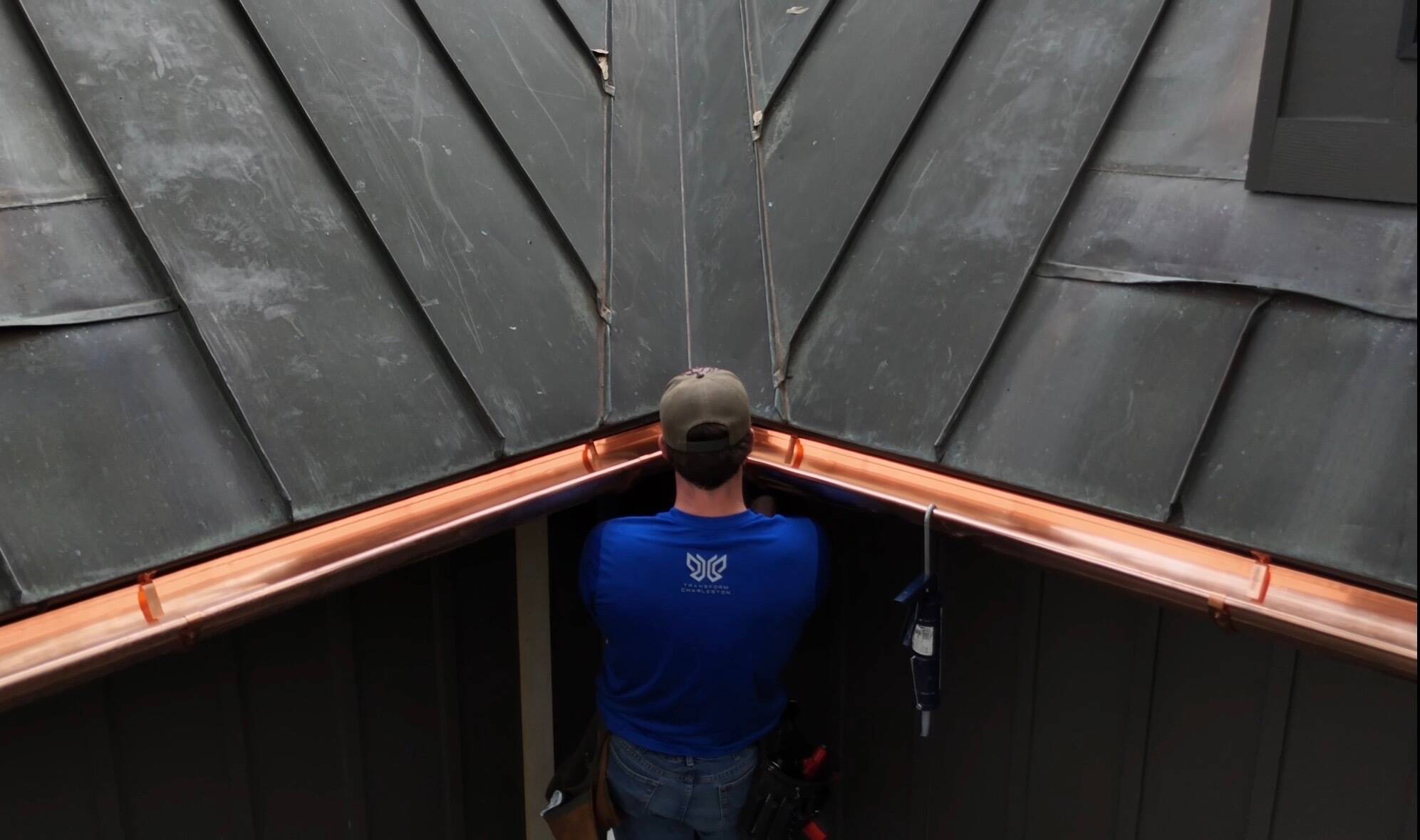
For example, a roofing replacement often impacts gutter systems and flashing details. New siding installations involve trim work, moisture barriers, and window integration. Adding decking or expanding outdoor living spaces can require structural support and drainage planning. Coordinating roofing, siding, and gutter systems as part of a larger plan helps ensure all exterior components work together rather than creating future maintenance concerns.
Choose Materials Designed for Exterior Exposure
Not all materials perform equally when exposed to the elements. High-quality roofing materials, durable siding products, and properly rated windows and doors are designed to withstand prolonged exposure to sun, moisture, and temperature changes.
Material selection should prioritize longevity, maintenance requirements, and compatibility with a home’s structure. While premium exterior materials may carry a higher upfront cost, they often reduce long-term repairs and replacement needs. Contractors with exterior-focused experience can help explain why certain materials are better suited for specific climates and project goals.
Work With Contractors Who Specialize in Exterior Projects
Exterior renovations require specialized expertise. Roofing, siding, gutters, windows, doors, decking, and custom home exterior work all involve technical installation methods that directly affect performance and longevity.
Professionals who focus on custom home exterior projects understand how these systems interact and can identify potential issues before construction begins. Proper licensing, insurance, and familiarity with local building codes are essential when selecting an exterior contractor. An on-site evaluation and tailored recommendations are key indicators of a contractor’s experience and attention to detail.
Don’t Overlook Drainage and Structural Details
Water management is one of the most critical aspects of any exterior renovation. Gutters, downspouts, rooflines, and grading all influence how water moves away from the home. Exterior projects such as roofing replacements, siding upgrades, window installations, and decking additions should improve drainage patterns rather than compromise them. Improper water management can lead to foundation issues, siding damage, and premature failure of exterior materials.
Structural details such as flashing, fastening methods, and load distribution play a significant role in long-term performance and should never be overlooked.
Final Thoughts
Exterior renovations and home additions require thoughtful planning and skilled execution. Defining a clear scope, selecting materials designed for exterior exposure, and working with experienced professionals helps ensure projects deliver long-lasting results.
Well-executed exterior upgrades do more than enhance appearance. They protect the home from environmental exposure, improve functionality, and preserve long-term value - making them a smart investment for homeowners planning exterior improvements. Contact a local home exterior expert today!