
How Southern Weather Extremes Affect Your Home, Car, and Lifestyle Choices
Life in the South often feels calm in the morning and demanding by the afternoon. Southern weather extremes can bring heat, hard rain, strong winds, hail, and sudden cold in a short span of time. These changes affect far more than weekend plans or the daily forecast. They shape how people protect their homes, care for their cars, and plan regular tasks. They also influence repair costs, storage needs, insurance choices, and comfort at home. A smart response begins with recognizing how weather patterns impact daily life in subtle yet consistent ways. Once that pattern becomes clear, better choices feel less reactive and more practical.
Moving South Requires a New Mindset
People who move from milder areas often expect the South to feel simple because of the warmer climate. New Southern residents often learn fast that heat, humidity, and storms create their own kind of pressure. A bright day can turn into a rough one with little warning, and that shift affects driving, errands, and home care. Long hot stretches also wear down patience, energy, and household systems over time. Many new arrivals do not expect how quickly mold can grow or how fast the sun can age outdoor materials. Local weather habits become important soon after move-in day, especially during the first storm season.
Storage Becomes Part of Weather Planning
Household storage needs also change in places where heat and moisture stay high for long periods. You may need extra protection for your possessions once you see what humidity can do to paper, wood, fabric, and electronics. Boxes stored in a garage or shed may warp, smell musty, or collect mildew before anyone notices. That is why renting a climate-controlled storage unit can be a smart choice for items that matter. It helps keep family records, seasonal decorations, furniture, and keepsakes in a more stable setting. This choice also frees up indoor space during home repairs or cleanup after a storm.
Heat Creates Pressure on the Home
Southern heat affects a home from the roofline to the floorboards. Attics trap heat, air conditioners work harder, and small cracks around doors or windows raise cooling costs. Sun exposure also dries caulk, fades paint, and weakens some exterior materials faster than many homeowners expect. Indoor comfort can drop quickly when insulation is poor or airflow is blocked. Even rooms with good windows can feel uneven if the house is not sealed well. Regular checks before peak summer can help stop these issues before utility bills rise too high.

Southern heat puts constant pressure on a home, from the attic down to the floors, making good insulation, sealed openings, and regular upkeep key to comfort and lower cooling costs.
Storm Damage Rarely Stays Small
Storm damage often starts with a loose shingle, a bent gutter, or a branch that snaps close to the house. These signs may look minor at first, yet they often lead to leaks, wood rot, or mold if they are ignored. Homeowners should inspect the roofline, windows, fence, and drainage paths after bad weather passes. Anything that looks damaged after a storm deserves quick attention and clear photos. Fast action helps stop water from moving deeper into walls, ceilings, or flooring.
Outdoor Repairs Protect More Than Appearance
The outside of a house takes the first hit from the weather every day of the year. Siding, trim, gutters, doors, and painted surfaces all help block water and sun from reaching deeper layers. That is why the importance of exterior home repair and maintenance should never be ignored. Peeling paint, cracked sealant, and loose boards let moisture in even before a major storm arrives. Yard drainage matters too because standing water can move toward the foundation and create long-term stress.
Southern Weather Extremes Can Wear Down a Vehicle
Cars feel the strain of Southern weather almost every season. High heat weakens batteries, stresses tires, and makes fluids break down faster than drivers expect. Sun exposure can also damage paint, fade interiors, and crack rubber seals over time. Heavy rain reduces visibility and exposes weak wiper blades, worn tires, and poor headlights right away. Sudden cold snaps may also affect tire pressure and engine performance after long warm periods. A vehicle that sits outside every day needs more frequent checks because weather wear never really stops. Routine care becomes a practical way to reduce breakdowns and protect daily mobility.
Daily Driving Requires More Caution
Driving in the South often means dealing with changing road conditions in a short time. One strong downpour can leave standing water on streets that looked clear an hour earlier. Drivers need extra space, lower speeds, and working brakes when storms move through busy roads. Glare also becomes a problem during hot afternoons when bright sun reflects off wet pavement or windshields. Flood-prone routes should be avoided even if they seem passable at first glance. A small emergency kit with water, a charger, and basic supplies can make long delays less stressful. Safe travel depends on planning ahead instead of reacting once the weather turns.
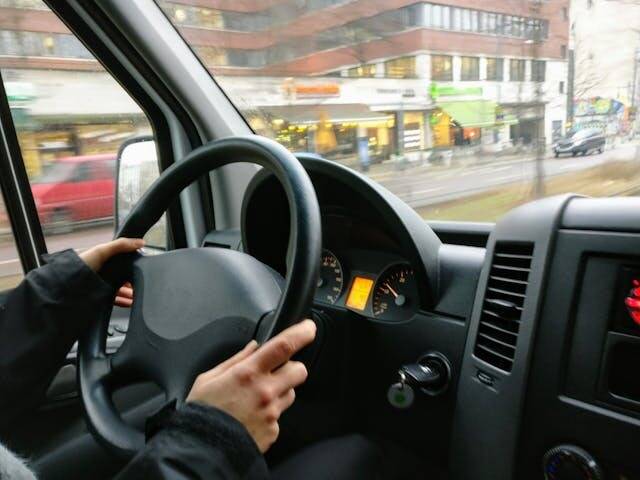
Driving in the South requires extra caution, as sudden downpours, glare, and flood-prone roads can turn a normal trip into a risky one within minutes.
Everyday Habits Change With the Forecast
Weather affects more than repairs because it also shapes regular routines. Families often adjust shopping, school pickups, workouts, pet care, and social plans around Southern weather extremes. Heat waves can push errands into the early morning, while storm threats may lead people to stay closer to home. That shift changes how food is stocked, how time is used, and how much fuel stays in the car. Parents may also plan school bags, sports gear, and backup clothing with the weather in mind. Pet owners often need shaded walks, extra water, and indoor options during severe heat or storms. A steady routine becomes easier to manage when the weather is treated as part of daily planning.
Emergency Supplies Support Daily Stability
Emergency supplies are useful long before a major disaster ever appears. Flashlights, batteries, bottled water, shelf-stable food, and backup chargers help during short outages and rough weather days. These items support daily stability when stores are crowded or roads become difficult. Families with children, pets, or medical needs often benefit from keeping supplies easy to reach. Important documents should also stay protected in waterproof containers or secure storage. A basic plan for outages, evacuation routes, and contact numbers can reduce panic in tense moments. Calm preparation often matters more than expensive gear.
Smart Choices Start Before Damage Appears
Homes, cars, and daily routines all respond to the same local climate, even when the effects show up in different ways. Southern weather extremes influence repair schedules, driving habits, storage decisions, budgets, and comfort at home. The goal is not to fear the forecast but to respect what it can do. Practical choices made early protect both property and peace of mind. That is why weather awareness remains one of the smartest lifestyle tools for living well in the South.