


Signs Your Gutters May Have Been Damaged After a Storm
Why Charleston Storms Can Be Hard on Gutters
Charleston homeowners regularly experience intense storms, especially during the summer and hurricane seasons. Heavy rain, strong winds, and falling debris can place significant strain on your home’s exterior systems - particularly the gutters.
While many homeowners inspect their roofs after severe weather, gutters are often overlooked. However, they play a vital role in directing water away from your home. If a gutter system becomes damaged during a storm, it can lead to water overflow, siding damage, and even foundation issues.
Knowing what to look for after severe weather can help you catch problems early before they lead to costly repairs. Many homeowners rely on professionals who specialize in Charleston gutter inspection and repair services to ensure their drainage systems remain in good condition.
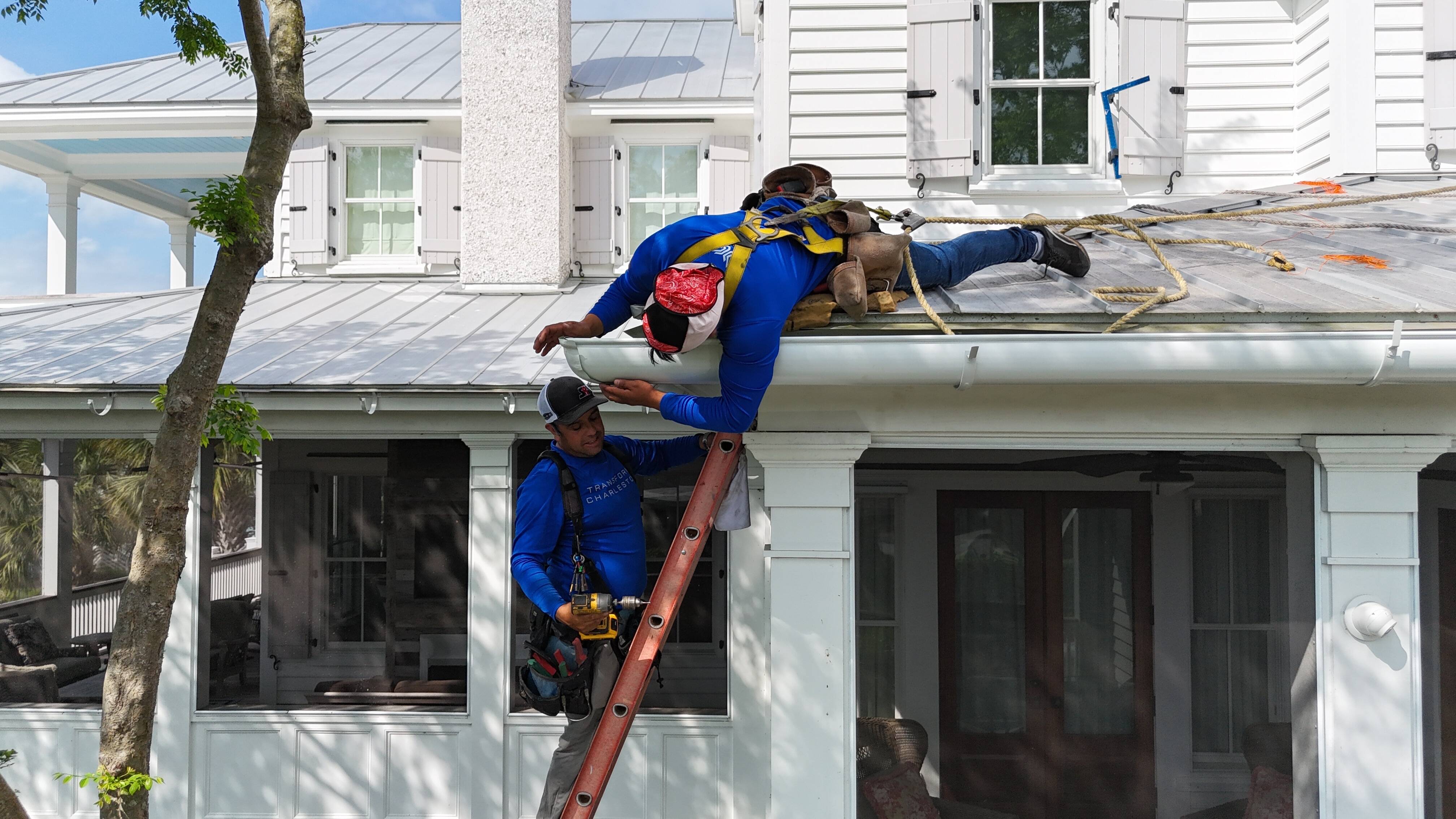 Gutters Pulling Away from the Roof
One of the clearest signs of storm damage is gutters beginning to separate from the roofline. Strong winds and heavy rainfall can loosen brackets or fasteners that hold the system in place. If gutters were already holding debris or standing water before the storm, the extra weight can cause them to sag or detach from the fascia board.
Signs to watch for include:
- Gutters visibly pulling away from the roof
- Sections that appear uneven or sagging
- Loose or missing fasteners
When gutters lose their alignment, water can no longer flow properly through the system.
Dents or Physical Damage from Debris
Storms in the Lowcountry often bring strong wind gusts capable of carrying branches, pinecones, and other debris onto roofs and gutters. Even small impacts can dent or bend sections of aluminum gutter systems.
After a storm, homeowners may notice:
- Dented sections along the gutter channel
- Bent edges or crushed areas
- Downspouts knocked out of position
While minor dents may appear cosmetic, deeper damage can disrupt the way water flows through the gutter system. Homeowners looking to improve durability sometimes explore seamless gutter installation in Charleston SC, which reduces weak points where damage often occurs.
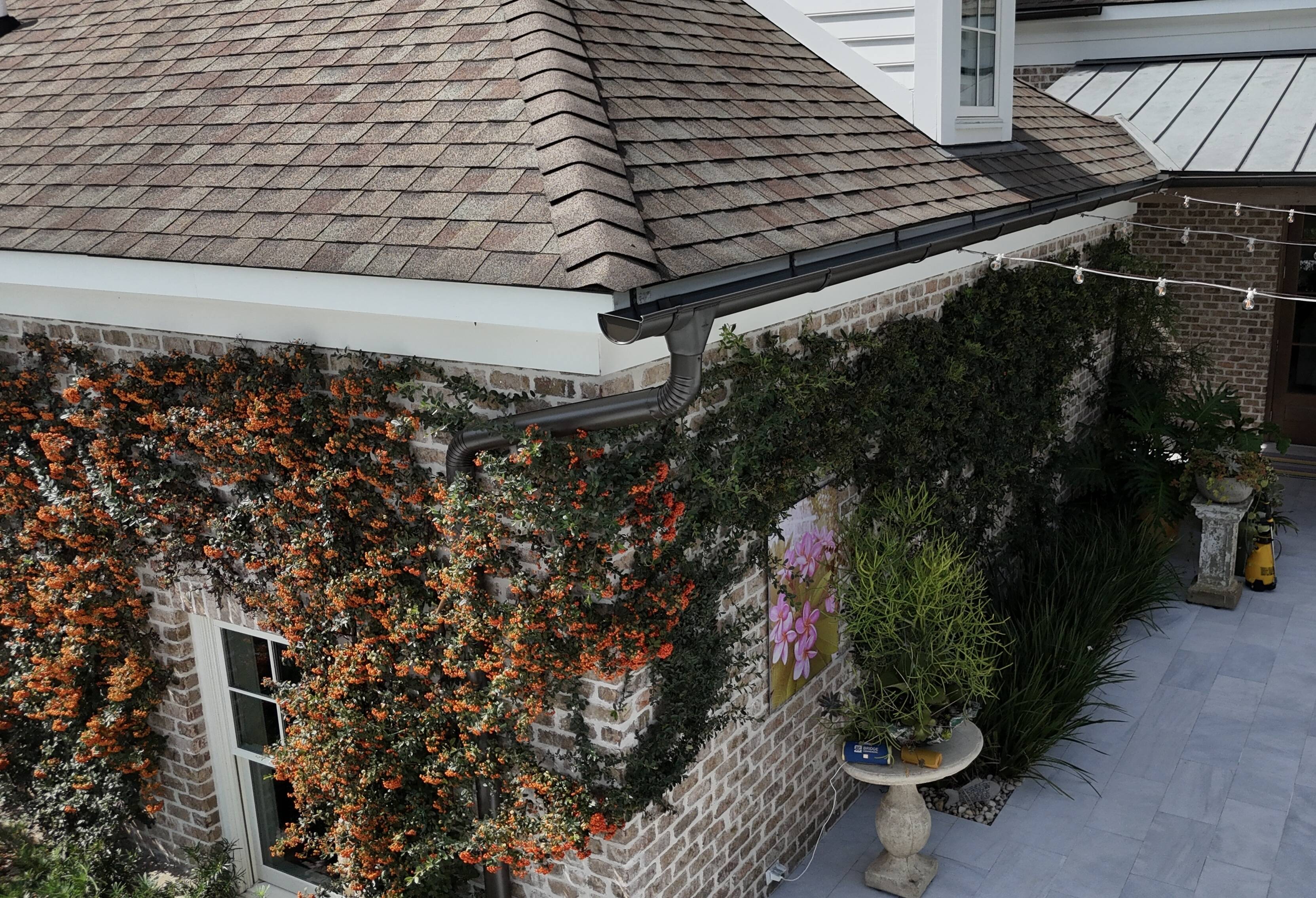 Gutters Overflowing During Rain
If your gutters begin overflowing during the next rainfall after a storm, debris buildup may be the cause. High winds frequently push leaves, pine needles, and small branches into gutters and downspouts. When this debris blocks water flow, the system becomes overwhelmed.
Overflowing gutters can lead to:
- Water running down siding
- Pooling near the foundation
- Erosion around landscaping
- Increased risk of roof leaks
Routine cleaning and maintenance are essential in Charleston, where tree coverage is common throughout many neighborhoods.
Leaking Seams and Connections
Traditional sectional gutter systems rely on multiple seams where individual pieces connect. These seams are common areas where leaks develop, particularly after severe weather.Storms can weaken sealants and cause small gaps to form between sections. Homeowners may notice water dripping from corners or joints during rainfall.
To minimize this issue, many homeowners upgrade to seamless gutter systems designed for coastal climates, which significantly reduce the number of joints where leaks can occur.
Downspouts That Have Come Loose
Downspouts are another part of the gutter system that can be affected by storms. Because they run vertically along the exterior of the home, they are more exposed to wind and falling debris.
After a storm, check for:
- Downspouts separating from the wall
- Bent or dented sections
- Water draining too close to the home
Downspouts must extend far enough from the foundation to properly direct water away from the structure.
Excess Debris in the Gutter System
Even if the gutter system itself remains structurally sound, storms often leave behind large amounts of debris. Charleston’s live oaks, pine trees, and palms can quickly fill gutters with leaves and needles. When debris builds up, it can trap standing water inside the gutter channel, adding weight and increasing the risk of sagging or structural failure.
Cleaning gutters after a storm helps restore proper water flow and prevents long-term damage.
Why Early Repairs Are Important
Storm-related gutter damage may seem minor at first, but small issues can quickly lead to larger structural problems if left unaddressed.
When gutters stop functioning properly, water may begin affecting areas such as:
- Fascia boards
- Roofing materials
- Exterior siding
- Foundations and crawlspaces
Routine inspections following severe weather can help extend the life of your gutter system and prevent costly repairs.
Final Thoughts
Charleston’s storms can cause hidden damage to gutter systems that homeowners may not immediately notice. Common warning signs include gutters pulling away from the roofline, dents from debris, leaking seams, overflowing water, and loose downspouts.
Taking the time to inspect your gutters after major storms can help identify problems early and protect your home from water damage. With proper maintenance and quality installation, your gutter system can continue protecting your home through Charleston’s heavy rainfall and coastal weather conditions.