
Moving to Charleston SC: The Complete Relocation & Local Living Guide
Moving to Charleston SC is exciting.
Whether you're relocating for work, retirement, military service, or simply chasing the Lowcountry lifestyle, you're joining one of the fastest-growing metro areas in the Southeast. Every day, dozens of new residents arrive looking for historic charm, coastal living, thriving job opportunities, and a stronger sense of community.
But here's what many relocation guides don't tell you.
Successfully moving to Charleston isn't just about hiring movers or finding a home. It's about understanding how the city works, how coastal living changes homeownership, and why local knowledge can save you thousands of dollars and countless headaches during your first year.
Charleston rewards people who embrace its unique character. Historic districts have preservation requirements. Coastal homes demand different maintenance than inland properties. Every neighborhood has its own personality, pace, and community culture. The sooner you understand these differences, the easier your transition becomes.
The Short Answer
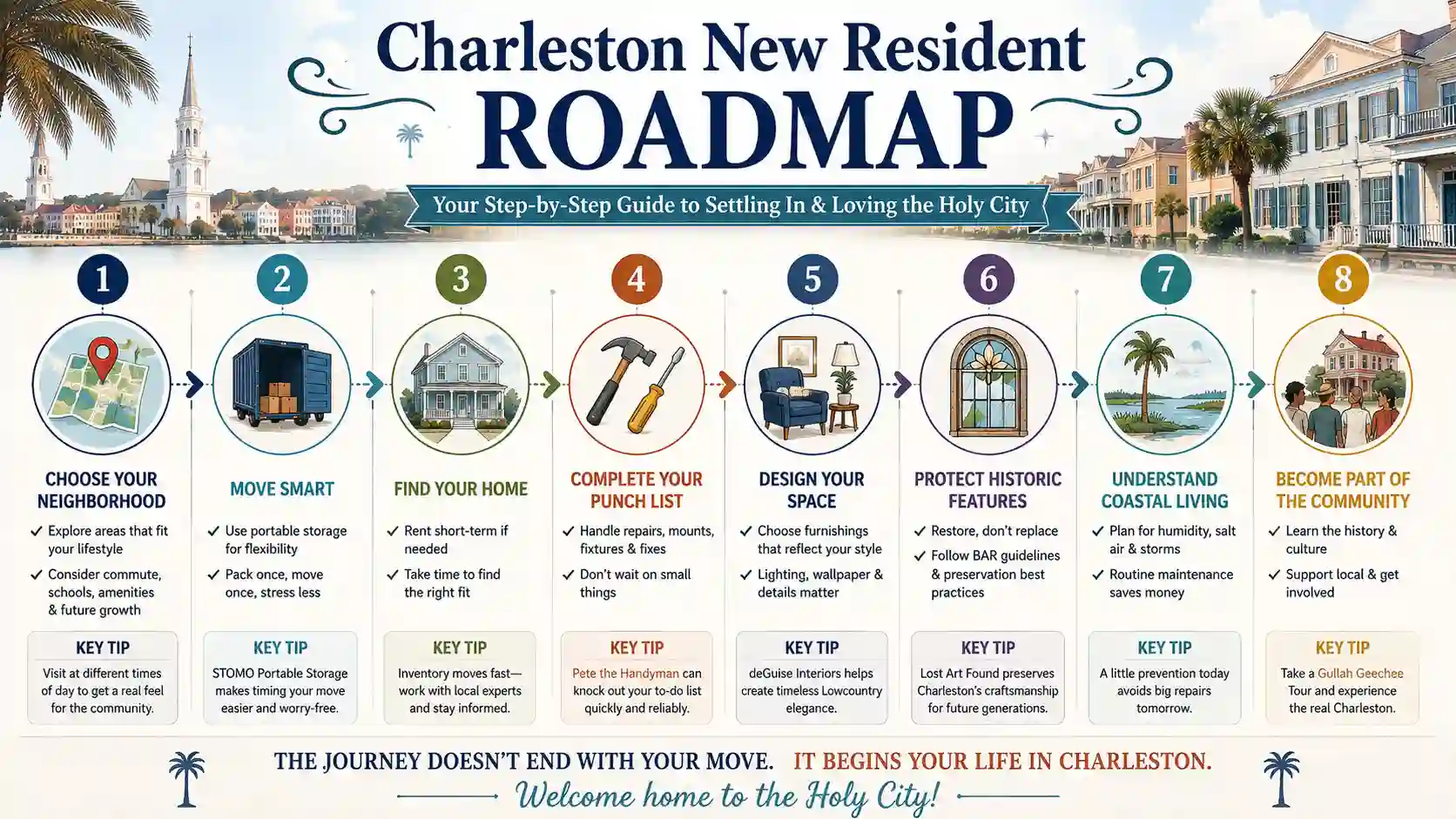
If you're moving to Charleston SC, the smartest approach is to build a trusted network of local professionals before you need them. That includes choosing a reliable moving and storage company like STOMO, finding a dependable handyman for coastal home maintenance, working with experienced interior designers like deGuise Interiors, and relying on historic preservation experts such as Lost Art Found if you're purchasing an older home. To truly appreciate Charleston beyond its postcard beauty, take time to explore its rich cultural history through Gullah Geechee Tours.
Those recommendations aren't simply convenient—they reflect the reality of living in Charleston, where local expertise often makes the difference between a smooth transition and months of frustration.
Why Moving to Charleston Is Different Than Moving Anywhere Else
Charleston is unlike most American cities. You're not simply changing your address. You're moving into a city where history, architecture, climate, and community shape everyday life.
One weekend you might be walking through the cobblestone streets of South of Broad. Next, you're watching dolphins from a dock on Johns Island or enjoying dinner in Park Circle. Every area offers a completely different lifestyle despite being only minutes apart.
Before committing to a neighborhood, spend time exploring:
- South of Broad for historic Charleston living
- Mount Pleasant for family-friendly suburban convenience
- West Ashley for established residential communities
- Park Circle for local restaurants and a creative atmosphere
- Daniel Island for newer planned communities
- Johns Island for larger properties and Lowcountry landscapes
Driving through these neighborhoods during different times of the day often tells you more than online listings ever will.
First Things Every New Charleston Resident Should Do
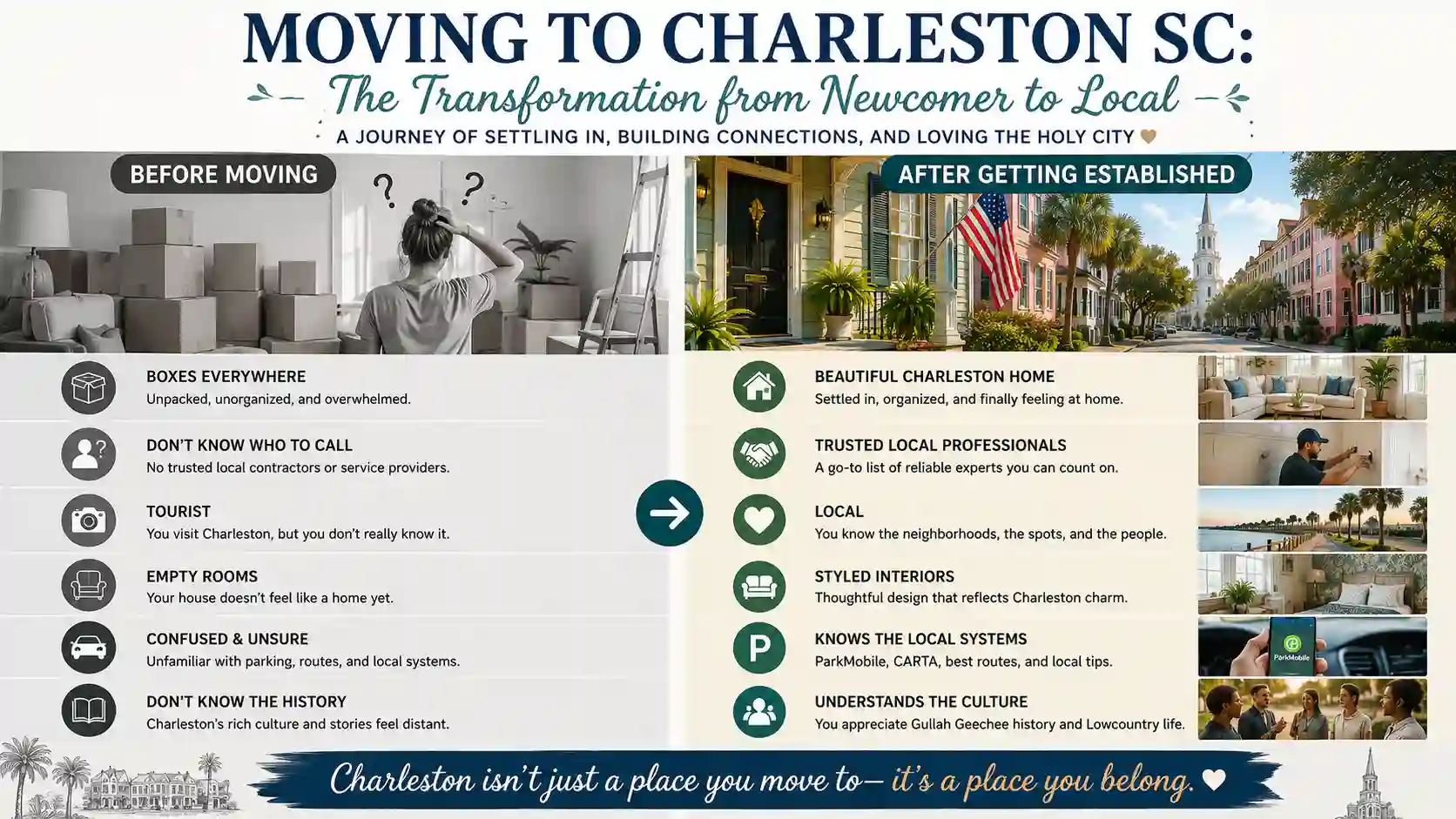
Many relocation checklists focus only on paperwork. While that's important, getting established in Charleston also means understanding local systems and building relationships early.
Consider completing these essentials during your first few weeks:
Open an account with a local bank or credit union if you plan to purchase property.
Register your vehicle and update your South Carolina driver's license within the state's required timeframe.
Download the ParkMobile app before visiting downtown, where most public parking relies on digital payment.
Learn the CARTA transit system if commuting into the peninsula.
Introduce yourself to your neighbors. Charleston still values community connections, and many of the city's best contractors, restaurants, physicians, and service providers are found through local recommendations.
These small steps often make settling into Charleston much easier than focusing solely on unpacking boxes.
Quick Summary
|
Key Takeaway |
Why It Matters |
|
Plan your move before your closing date. |
Many buyers rent before purchasing their permanent home. Flexible storage solutions help bridge the gap. |
|
Coastal homes require ongoing maintenance. |
Salt air, humidity, and storms create challenges unfamiliar to many newcomers. |
|
Historic homes require specialized contractors. |
Charleston's preservation standards often require experienced restoration professionals. |
|
Interior design reflects local architecture. |
Choosing furnishings that complement Charleston's character helps your home feel authentic. |
|
Understanding local history enhances daily life. |
Learning about Gullah Geechee culture provides a deeper appreciation of Charleston's heritage. |
Managing the Move: Logistics and Storage
Relocating to Charleston often involves more moving parts than people expect.
Many newcomers arrive before their home purchase is complete. Others temporarily rent in neighborhoods like Mount Pleasant or West Ashley while searching for the right property. Some are coordinating long-distance moves from across the country.
That flexibility is why portable storage has become increasingly popular.
Instead of rushing to unload everything into temporary housing, many families choose storage solutions that allow them to move once rather than multiple times.
Bridging the Gap with STOMO
When your rental lease, home closing, and moving schedule don't perfectly align, traditional moving companies aren't always the best solution.
That's where STOMO Portable Storage and Moving offers a practical advantage.
Their portable storage containers are delivered directly to your property, allowing you to pack at your own pace rather than under the pressure of a moving truck schedule. Once everything is loaded, STOMO can transport the container to your new Charleston home or securely store it until you're ready.
For many families relocating from another state, this flexibility eliminates unnecessary stress during one of life's biggest transitions.
One customer shared:
"Spoke to Jill in the office first who was super helpful. She put us in touch with Chestnut and the team who got us all through a difficult move for my in-laws' belongings into storage. The move went great without incident even with all the stairs."
— Google Review, C. Michael
Another recent Charleston transplant explained how portable storage simplified an unexpected change in plans:
"We sold our house in Ohio faster than expected and had to rent an apartment in Park Circle for six months. Using STOMO meant we only had to pack our furniture once. They stored it until we closed on our house in Mount Pleasant."
— Sarah T., Recent Charleston Transplant
As a locally owned family business and multiple Best of Charleston Award winner, STOMO has built a strong reputation by helping families navigate the uncertainties that often come with relocation.
Common Moving Challenges New Charleston Residents Face
Many relocation articles stop after recommending a moving company. The reality is that Charleston presents a few challenges worth planning for before moving day arrives.
Timing Your Home Purchase
Inventory changes quickly in desirable neighborhoods. Many buyers spend several months renting while exploring communities before purchasing their permanent home.
Coastal Weather
Summer heat, humidity, and hurricane season can affect moving schedules. Having flexible storage options creates a helpful backup plan if weather delays occur.
Historic Neighborhood Access
Some downtown Charleston streets are narrow, with limited parking and strict loading regulations. Planning ahead helps avoid unnecessary delays during moving day.
Protecting Furniture From Humidity
Wood furniture, antiques, artwork, and upholstered pieces should be properly protected during storage and transportation to prevent moisture-related damage in Charleston's coastal climate.
Your First Month in Charleston: A Practical Checklist
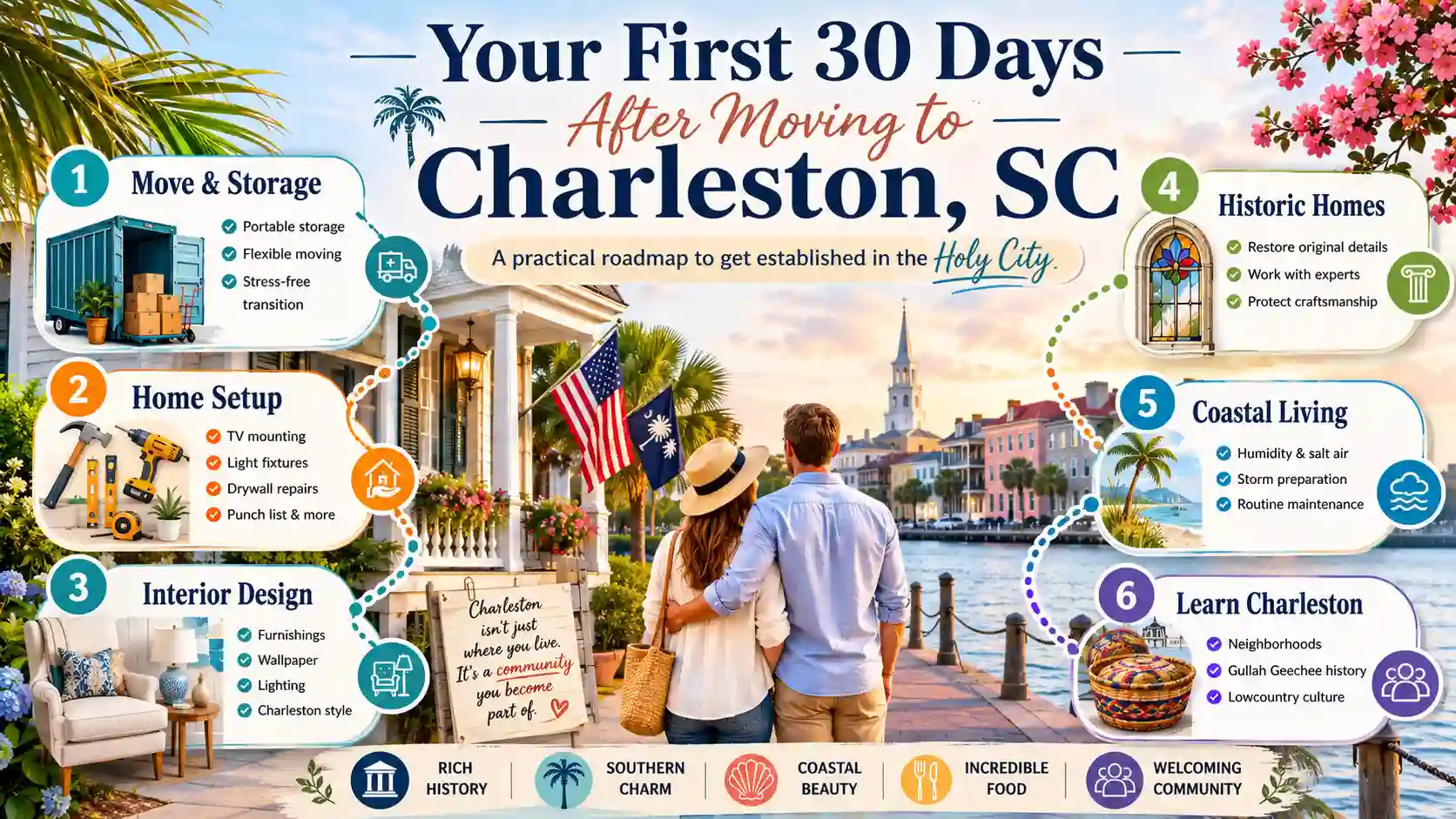
To make the transition smoother, focus on these priorities during your first 30 days:
- Finalize your South Carolina residency requirements.
- Set up utilities and internet service.
- Explore several neighborhoods before committing to long-term decisions.
- Build a list of trusted local service providers.
- Learn parking, transportation, and commuting routes.
- Spend time experiencing Charleston's history and local culture beyond the tourist attractions.
Getting established in Charleston isn't something that happens overnight. It's a gradual process of becoming familiar with the people, neighborhoods, traditions, and businesses that make the Holy City such a unique place to call home.
Setting Up Your Charleston Home
The day you receive your keys feels like the finish line. In reality, it's the beginning of a completely new chapter. Whether you've purchased a newly built home on Daniel Island, a family property in Mount Pleasant, a charming bungalow in Park Circle, or a historic residence in downtown Charleston, you'll quickly discover that every home needs attention before it truly feels like yours.
Charleston's coastal environment adds another layer of responsibility. Salt air, humidity, seasonal storms, and shifting temperatures all affect homes differently than they do in many inland cities. Even brand-new construction benefits from preventive maintenance during the first few months.
Rather than trying to tackle every project yourself, most longtime Charleston homeowners build a network of trusted local professionals who understand the area's unique homes, climate, and construction styles.
Getting the Punch List Done: Pete the Handyman
Every move creates a seemingly endless punch list.
The television still needs mounting.
Curtains haven't been installed.
Light fixtures need replacing.
Cabinets require adjustments.
Drywall has small holes from moving furniture.
The irrigation system isn't working correctly.
None of these projects are major renovations, yet together they can make a new house feel unfinished for months.
One challenge many newcomers quickly encounter is finding contractors willing to handle smaller jobs. Most remodeling companies prioritize large renovations, leaving homeowners searching for someone dependable for projects that only take a few hours. That's where Pete the Handyman has become a trusted local resource for homeowners throughout Mount Pleasant and the greater Charleston area. Rather than specializing in full remodels, Pete focuses on exactly the projects homeowners need immediately after moving.
His services commonly include:
- TV mounting
- Ceiling fan installation
- Light fixture replacement
- Drywall repairs
- Cabinet adjustments
- Door hardware installation
- Fence and gate repairs
- Minor plumbing fixes
- Home maintenance punch lists
More importantly, Pete understands the maintenance challenges that come with coastal living. Salt air accelerates corrosion on exterior hardware. High humidity affects caulking, paint, and wood trim. Regular preventative maintenance often prevents significantly larger repairs later. For homeowners unfamiliar with coastal climates, having someone who recognizes these issues before they become expensive problems is invaluable.
Small Repairs Make a Big Difference
Many new homeowners focus on large decorating projects first. Ironically, it's often the smaller repairs that make the biggest difference in daily comfort.
Completing a punch list during your first month allows you to:
Eliminate unfinished projects before they accumulate.
Prevent minor issues from becoming expensive repairs.
Improve energy efficiency.
Increase everyday functionality.
Enjoy your new home without constantly noticing unfinished work.
It's one of those investments that immediately improves quality of life.
Nailing the Charleston Aesthetic: deGuise Interiors
Charleston has a design style that's difficult to describe but instantly recognizable. Historic architecture blends effortlessly with coastal influences. Traditional craftsmanship sits comfortably beside contemporary elegance. Homes feel sophisticated without appearing overly formal. Achieving that balance rarely happens by accident.
Many newcomers discover that furnishing a Charleston home isn't simply about buying furniture. It's about selecting pieces that complement the architecture, natural light, and timeless character that define Lowcountry living.
That's exactly where deGuise Interiors has built its reputation. Located in Mount Pleasant, deGuise Interiors has spent nearly four decades helping homeowners create spaces that feel authentically Charleston while reflecting their own personalities and lifestyles.
Rather than offering one-size-fits-all furniture packages, the firm provides comprehensive interior design services tailored to each home.
What Makes deGuise Interiors Different?
One reason many homeowners choose deGuise Interiors is the carefully curated selection of premium furnishings and design collections that aren't commonly found in large retail chains. Their showroom includes respected brands known throughout the interior design industry.
Visual Comfort Lighting
Lighting transforms a room more than almost any other design element. Visual Comfort fixtures are recognized for combining timeless craftsmanship with elegant, understated design that complements Charleston architecture beautifully. Whether you're updating a historic dining room or furnishing a modern coastal home, quality lighting creates warmth and character that inexpensive fixtures often cannot replicate.
Designer Wallpaper and Fabrics
Wallpaper has experienced a remarkable resurgence in luxury interior design. deGuise Interiors offers sought-after collections from respected manufacturers including:
Thibaut
Scalamandré
Colefax and Fowler
These collections allow homeowners to introduce texture, color, and personality while maintaining the refined aesthetic Charleston homes are known for.
Luxury Furnishings
Beautiful homes are built around carefully selected furniture rather than filling empty rooms. deGuise Interiors features premium brands such as:
Bunny Williams Home
Chelsea House
These collections emphasize craftsmanship, timeless design, and long-term quality over rapidly changing trends. For many homeowners, investing in fewer, better pieces ultimately creates a more cohesive and enduring home.
One Mount Pleasant homeowner described her experience this way:
"I walked into deGuise completely overwhelmed by my new living room. Their designers didn't just sell me a sofa; they helped me select the perfect Thibaut wallpaper and Visual Comfort sconces that completely transformed the space."
— Emily R., Mount Pleasant Resident
That kind of guidance is particularly valuable for families relocating from different parts of the country who may not yet understand Charleston's unique architectural character.
Home Setup Services Compared
|
Service |
Local Business |
Best For |
Ideal Customer |
|
Moving & Portable Storage |
STOMO |
Flexible storage during relocation |
Families moving between homes or waiting to close |
|
Home Maintenance & Punch Lists |
Pete the Handyman |
TV mounting, drywall repairs, fixtures, small repairs |
New homeowners who need reliable post-move assistance |
|
Interior Design |
deGuise Interiors |
Luxury furnishings, wallpaper, lighting, full-home design |
Homeowners creating timeless Charleston-inspired interiors |
Building Your Local Home Services Network
One of the smartest things you can do after moving to Charleston is build relationships with trusted local professionals before emergencies happen.
Instead of scrambling to find help after something breaks, keep a list of dependable experts for common homeowner needs.
Over time, your network may include:
- A trusted handyman
- An interior designer
- HVAC professionals
- Electricians
- Plumbers
- Landscapers
- Pest control specialists
- Roofing contractors
- Historic preservation experts
Charleston is still very much a referral-driven city. Many of the best professionals earn their reputations through consistent quality rather than aggressive advertising. Building that network early gives you confidence that, whenever your home needs attention, you'll know exactly who to call.
Preserving Historic Details
If you are fortunate enough to purchase a historic home South of Broad or in the French Quarter, you must understand that you are now a steward of Charleston's architectural legacy. You cannot hire a standard general contractor to fix a sagging 19th-century window.
Master Craftsmanship: Lost Art Found
For over 30 years, Jason Petitpain of Lost Art Found has approached glass and historic window restoration as a heritage craft. The studio specializes in stained glass repair, historic window glazing, and structural re-leading that meets the rigorous standards of Charleston's Board of Architectural Review (BAR).
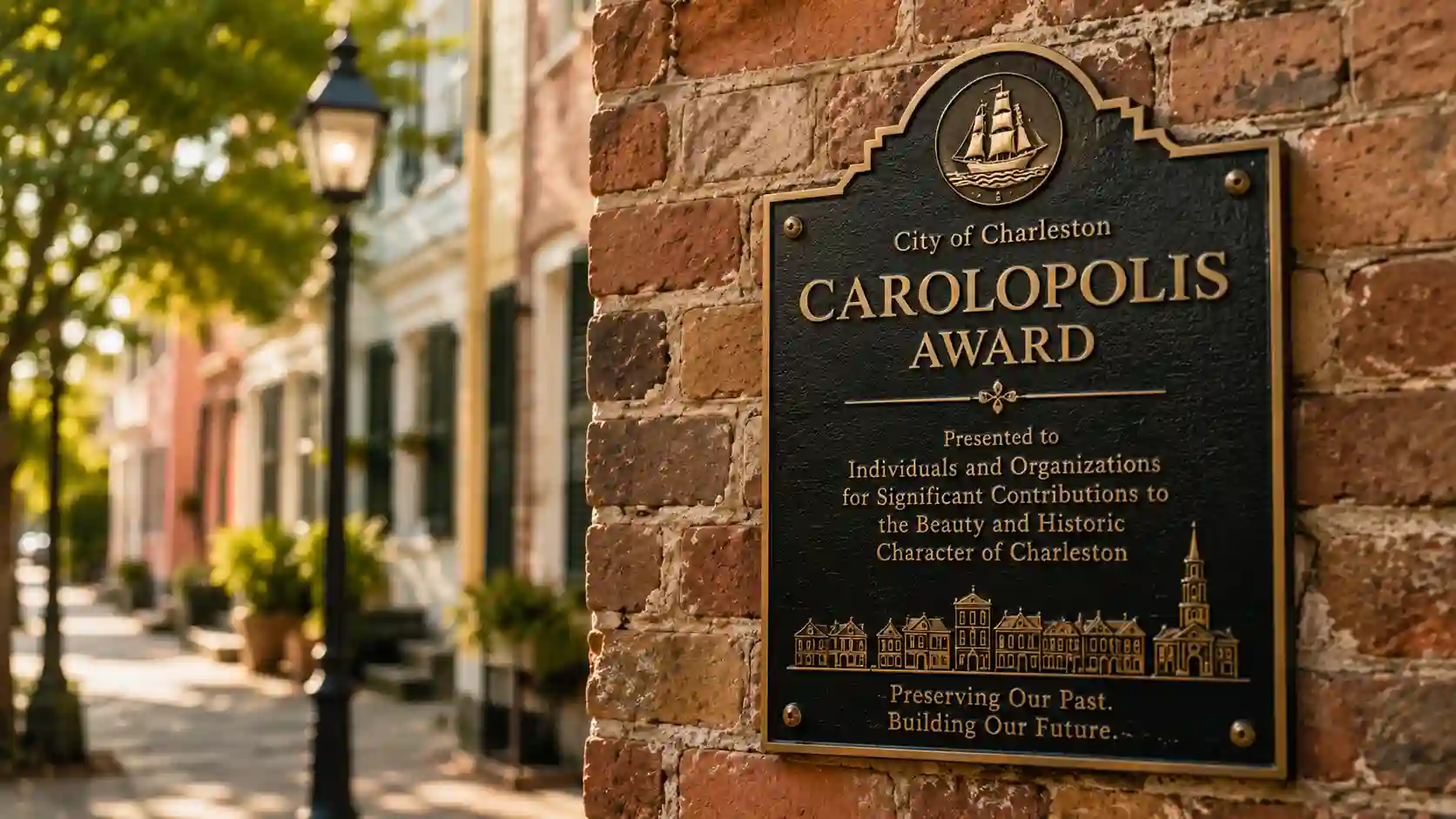
Their dedication to preservation is so exceptional that Lost Art Found was part of the project team for 95 Logan Street, which recently won a Carolopolis Award from the Preservation Society of Charleston. Created in 1953, the Carolopolis Award is the city's most prestigious honor for historic preservation.
Whether you need a historic transom stabilized or want to commission custom leaded glass for a new build on Kiawah Island to provide "instant heritage," Lost Art Found is the trusted local authority.
Getting to Know Your New City
Getting established in Charleston is not just about your house; it is about understanding the soul of the city.
Gullah Geechee Tours
To truly appreciate the Lowcountry, you must understand the Gullah Geechee people—the descendants of enslaved West Africans who built much of the city's historic wealth and shaped its culinary and cultural identity.
Booking a ride with Gullah Geechee Tours, led by Chief Godfrey K. Hill, is the best way to orient yourself to your new home. As the only tour led by a full-blooded Gullah Geechee historian, Chief Godfrey provides an authentic, unfiltered look at the history, language, and enduring legacy of the Gullah people in Charleston.
"Taking Chief Godfrey's tour changed how I look at every building and street in this city. It is mandatory for anyone moving here who wants to actually understand the culture, not just the postcard version of it." — Marcus D., Downtown Resident.
Frequently Asked Questions
Do I need a specialized contractor for a historic home in Charleston?
Yes. If your home is located within Charleston's historic districts, exterior repairs and renovations may require approval from the Board of Architectural Review (BAR). Working with preservation specialists who understand historic materials and local guidelines helps protect both your investment and the home's architectural integrity.
Where can I buy high-end wallpaper, lighting, and luxury furnishings in Charleston?
Homeowners looking to create a timeless Charleston aesthetic often visit deGuise Interiors in Mount Pleasant. Their showroom features designer wallpaper, premium lighting from Visual Comfort, luxury furnishings, and personalized interior design services.
Is it difficult to find someone for small home repairs after moving?
It can be. Many contractors prioritize larger remodeling projects, making it challenging to schedule smaller repairs. That's why local homeowners often rely on specialists like Pete the Handyman for punch lists, TV mounting, drywall repairs, and other post-move projects.
What is the Carolopolis Award?
The Carolopolis Award is presented by the Preservation Society of Charleston to recognize exceptional historic preservation and restoration projects throughout the city. It remains one of Charleston's highest honors for architectural conservation.
Why is Charleston's coastal climate different for homeowners?
Salt air, humidity, heavy rainfall, and seasonal storms create maintenance challenges that many new residents haven't experienced before. Routine inspections, preventive maintenance, and working with professionals familiar with coastal homes help minimize long-term repair costs.
How long does it usually take to feel settled after moving to Charleston?
Every relocation is different, but many new residents spend their first six to twelve months exploring neighborhoods, discovering local businesses, building relationships, and learning the rhythms of Lowcountry life. Taking time to experience the city's culture often makes the transition more rewarding.
What's the best way to learn Charleston's real history?
Many locals recommend starting with Gullah Geechee Tours. The experience offers historical context that extends well beyond traditional sightseeing and provides valuable insight into the people and traditions that helped shape Charleston into the city it is today.
Conclusion
Moving to Charleston SC is about far more than changing your address. It's about learning the rhythms of a city where history, architecture, coastal living, and community are closely connected. The professionals highlighted throughout this guide each play a unique role in helping newcomers establish themselves successfully. STOMO simplifies the logistics of relocation. Pete the Handyman helps transform a new house into a comfortable home. deGuise Interiors creates spaces that reflect Charleston's timeless character. Lost Art Found preserves the craftsmanship that defines the city's historic architecture. And Gullah Geechee Tours offers a deeper understanding of the people and stories that continue to shape the Lowcountry today.
Whether you're relocating from another South Carolina community or moving across the country, investing time in understanding Charleston's neighborhoods, culture, and local expertise will make your transition far smoother. The Holy City welcomes newcomers every day but the people who truly come to love Charleston are the ones who take the time to understand what makes it unlike anywhere else.
Related Guides
Continue exploring Charleston with these helpful resources:
What to Do in Charleston SC
Charleston Tourist Attractions Guide: Free, Paid & Hidden Gems
These guides pair well with your relocation journey by helping you discover local attractions, neighborhoods, restaurants, and experiences after you've settled into your new home.