
SEWE 2026 Carries On One of the Lowcountry’s Most Loved Outdoor Weekends
February in the Lowcountry always carries a certain energy, but when SEWE weekend rolls around, it feels like the entire outdoor community tightens its circle around downtown. You see it early, trucks with dog crates rolling over the bridges before sunrise, oyster roasts turning into late dinners, and conversations that bounce from tide charts to wildlife art without missing a beat. SEWE 2026 felt like one of those years where everything clicked. The weather cooperated, crowds were strong without feeling overwhelming, and the lineup of competitions, demonstrations, and wildlife programming reminded everyone why this weekend has stayed a cornerstone of outdoor culture for decades. Spread across venues throughout Charleston, the event once again blended working dog performance, hunting tradition, conservation education, and world class sporting art in a way few events anywhere can match.
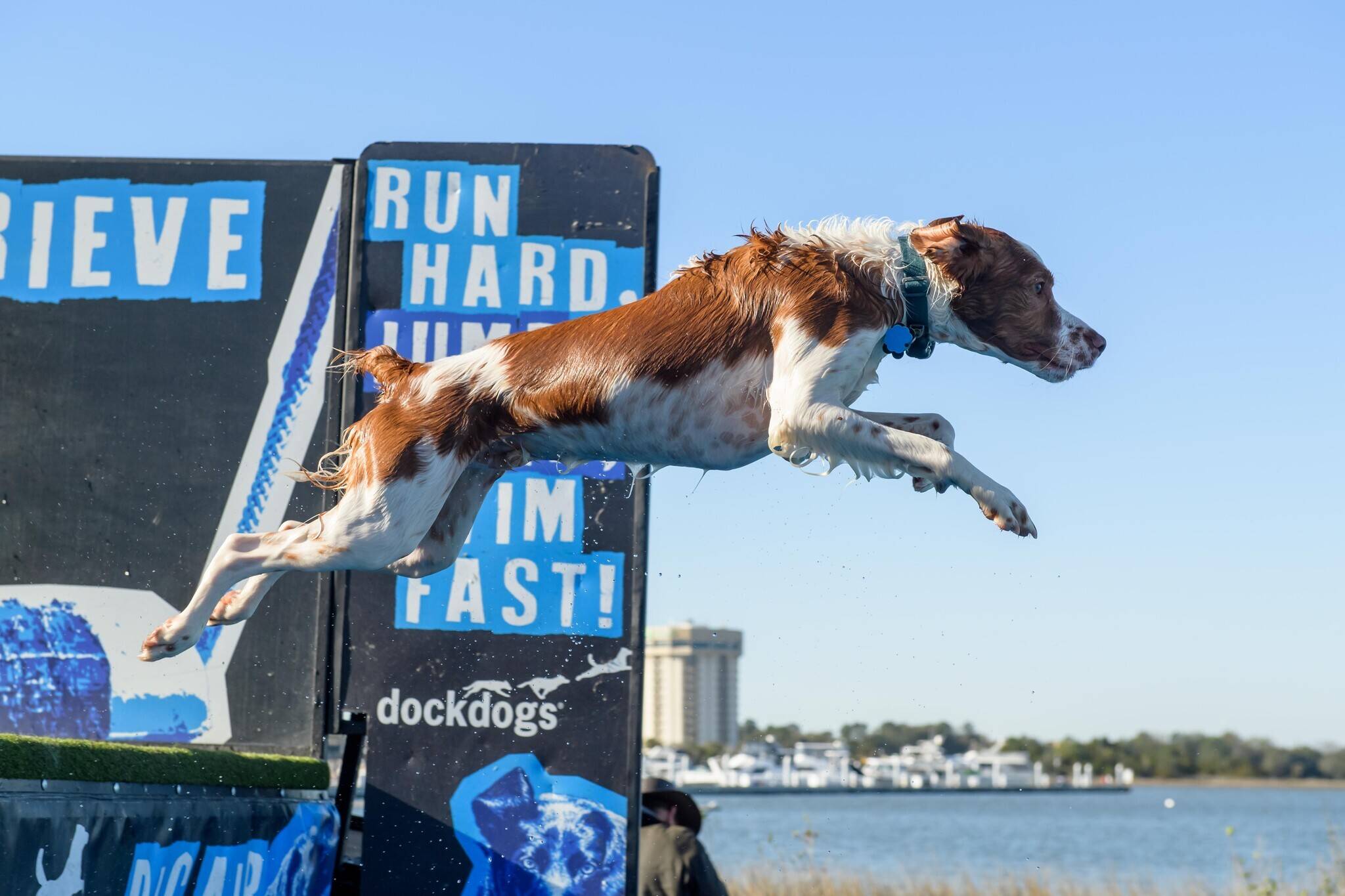
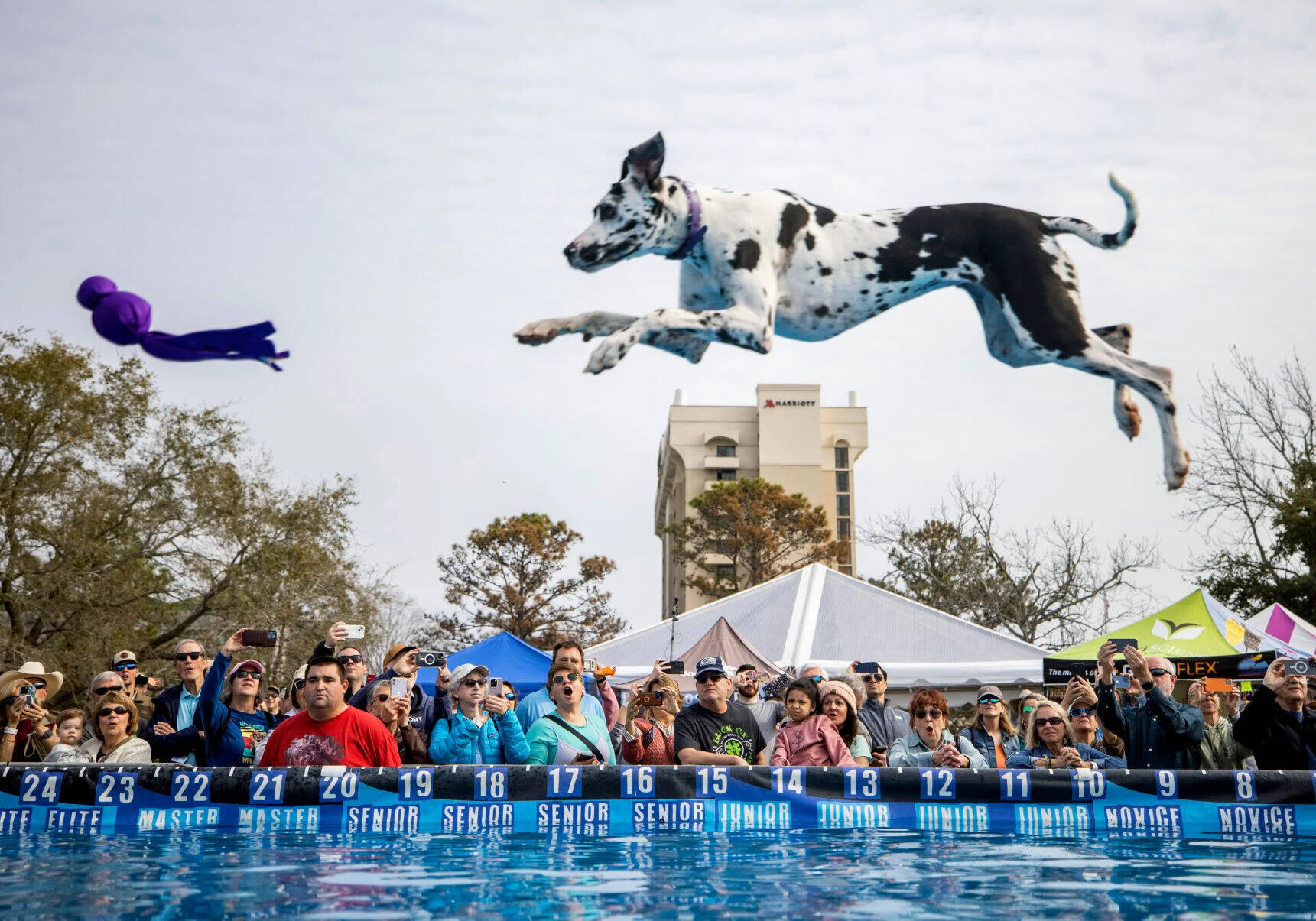 One of the loudest, most electric corners of the weekend was the DockDogs setup, where crowds packed in shoulder to shoulder along the railings to watch dogs absolutely launch themselves into the water. The atmosphere never really dips handlers pacing, dogs shaking with anticipation, announcers building hype, and spectators counting down every single jump like it’s the final seconds of a championship game. What makes DockDogs so fun to watch is how universal it feels. You don’t have to be a trainer or a competitor to appreciate the pure athleticism and joy on display. Every successful leap gets cheers, and every splashdown usually ends with a few people laughing and nudging whoever they came with, joking about putting their own dog into training next year.
Inside the competition halls, the duck calling contests delivered a completely different kind of intensity. Where DockDogs is all adrenaline and noise, duck calling is technical, controlled, and deeply rooted in tradition. Competitors stepped onto stage with lanyards of calls hanging from their necks, dialing in hail calls, feeding chuckles, and comeback calls with a level of precision that only comes from years in the blind. For seasoned waterfowl hunters in the crowd, you could see them leaning forward, studying tone and cadence. For newcomers, it was an eye opening look into how much skill and nuance lives inside what most people assume is just blowing into a piece of wood or acrylic. The youth divisions were especially fun to watch this year, a reminder that these traditions are still being passed down and refined with every generation.
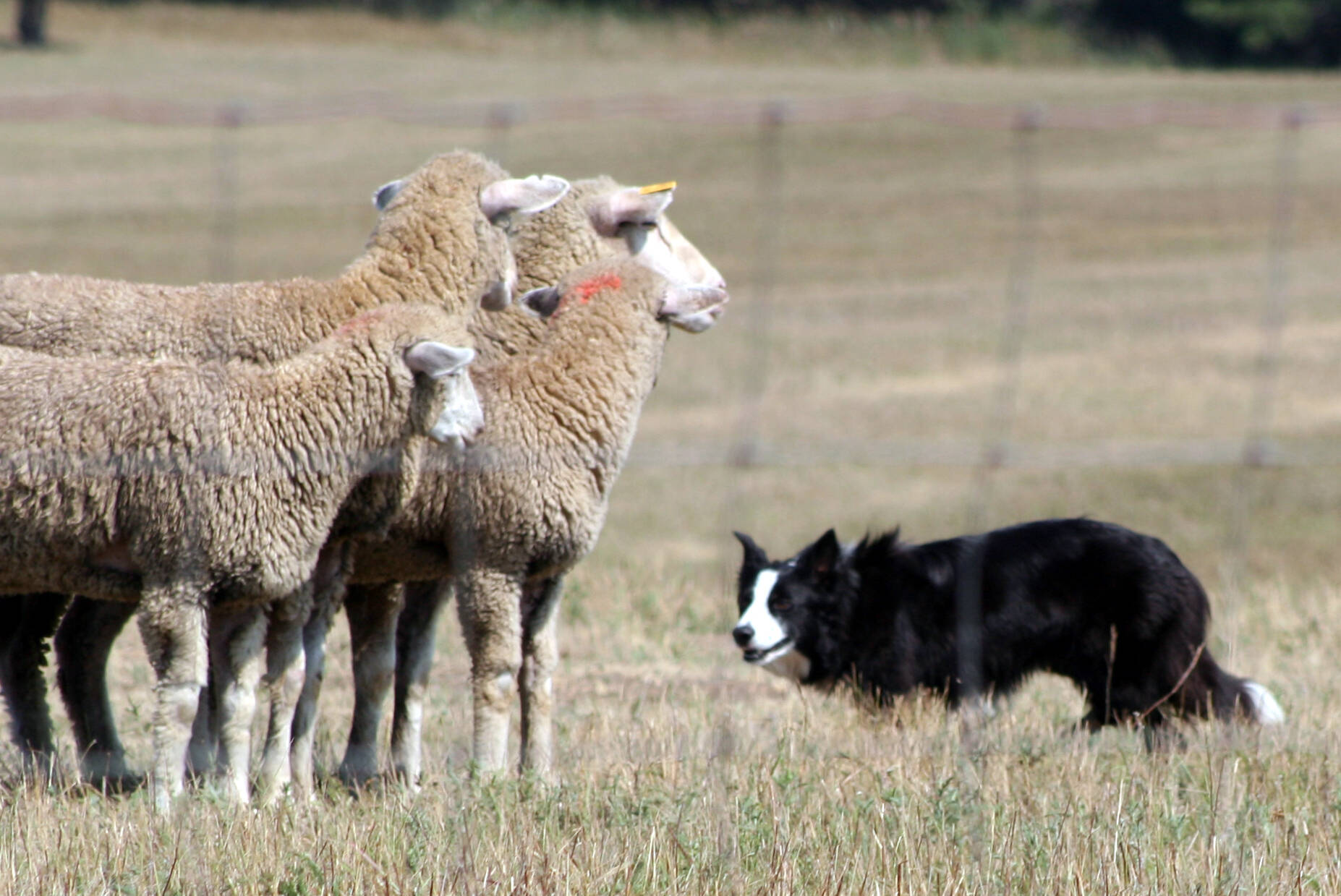 Out on the demonstration fields, sheep herding quietly stole the attention of anyone willing to slow down and watch for more than a few minutes. There’s no engine noise, no flashy stage production, just a handler, a whistle, and a dog that seems to predict movement before it even happens. Watching a border collie manage an entire flock using nothing but pressure, positioning, and instinct is one of those demonstrations that reminds you how deeply connected working dogs are to human history. Kids loved it, but just as many adults stayed glued to the fence line, trying to figure out how the dog was thinking three steps ahead of the sheep the entire time.
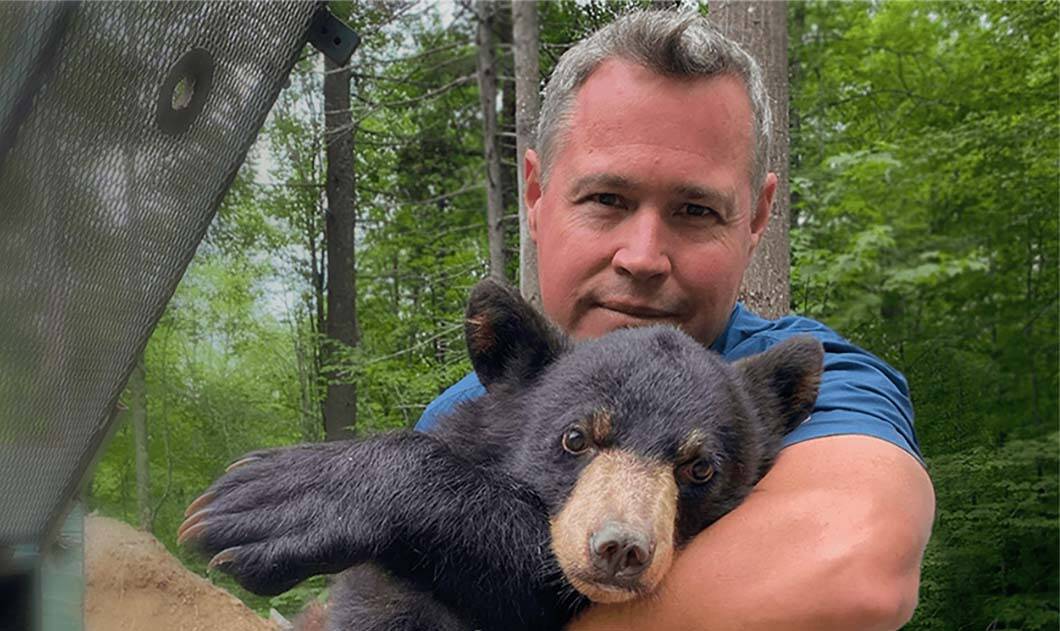 One of the biggest crowd magnets all weekend was the live animal programming led by Jeff Corwin. Corwin has a rare ability to keep a crowd entertained while delivering real conservation messaging that sticks. The live animal shows struck that perfect balance, part storytelling, part education, part pure fascination. Seeing ambassador species up close creates a connection you just don’t get from a screen or documentary. Kids leaned forward. Adults pulled out phones but ended up just watching instead. It’s the kind of programming that turns abstract ideas about conservation into something tangible and personal, which feels especially important at an event built around wildlife and outdoor culture.
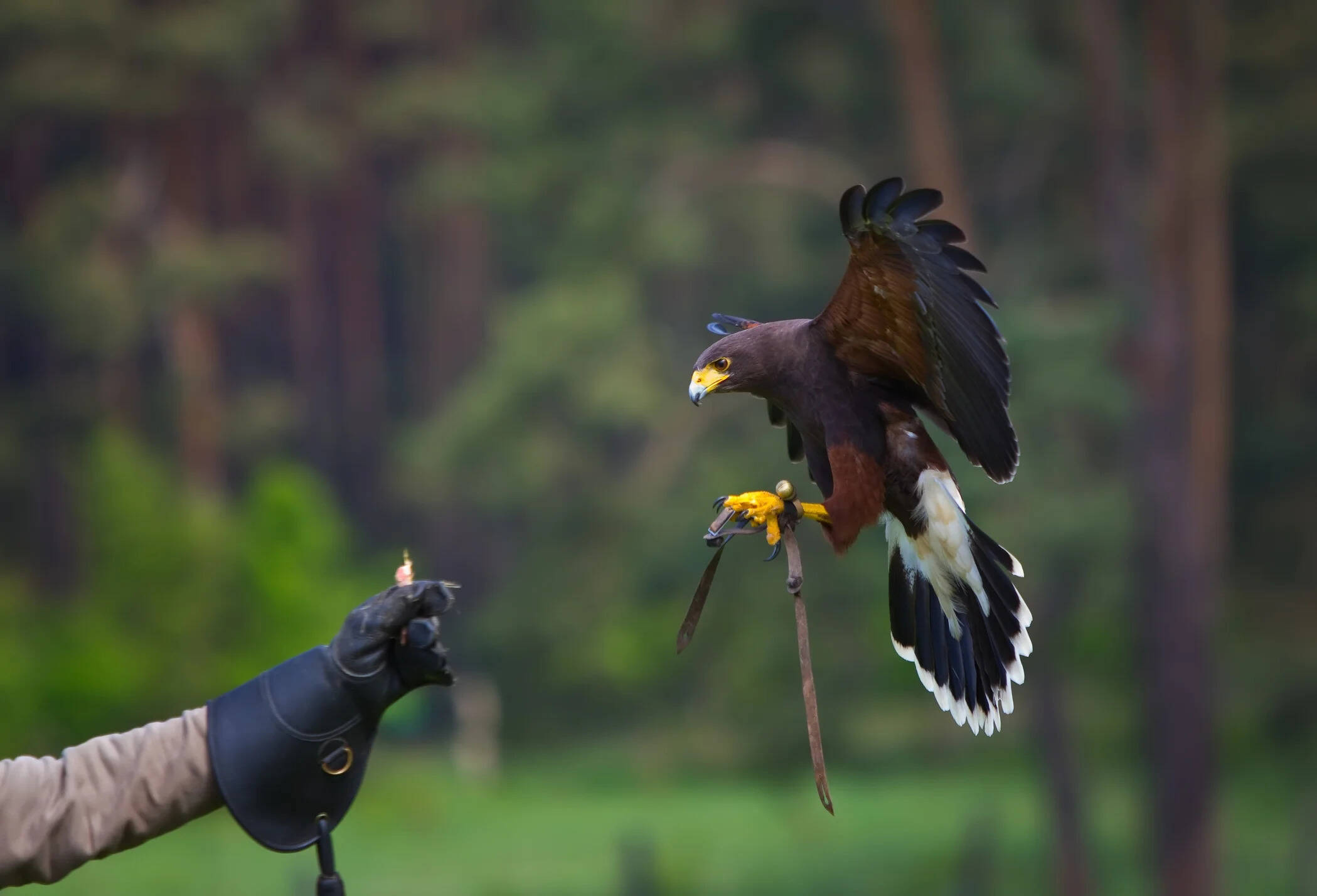 The birds of prey demonstrations delivered some of the most quietly powerful moments of the weekend. When a hawk, owl, or falcon flies directly over a crowd, conversations stop instantly. You hear wings, maybe a handler’s voice, and that’s it. Seeing raptors at eye level, watching how they turn, how they lock onto targets, how efficiently they move through air is a reminder that these birds are precision predators built by evolution to do one job perfectly. The falconry demonstrations continue to be one of the most immersive ways for people to connect with wildlife up close without barriers or glass.
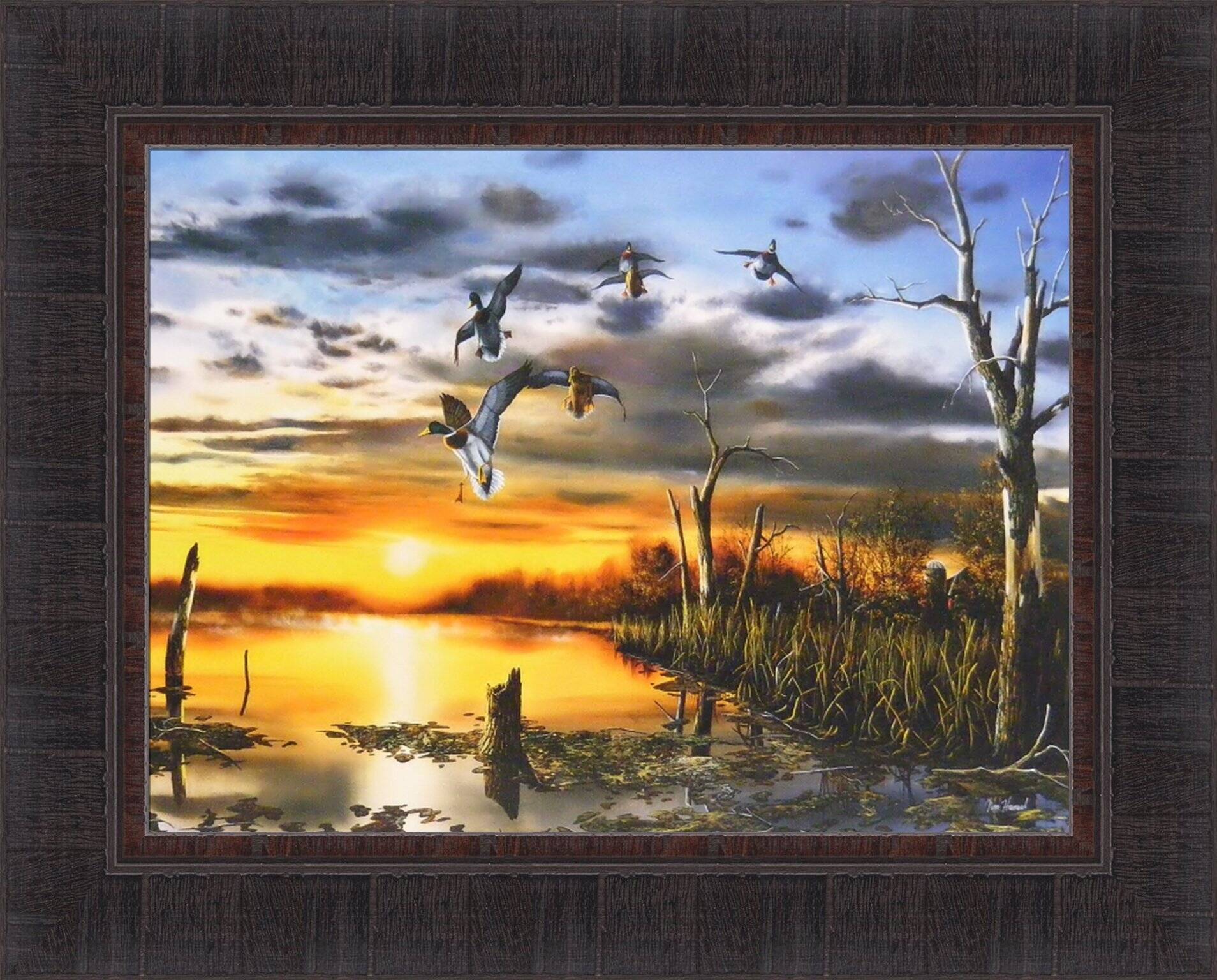 And then there are the galleries, the heartbeat of the entire weekend. While the competitions and demonstrations bring the energy, the art brings the soul. Walking through the gallery spaces this year felt like moving through every corner of the sporting world, from marsh scenes filled with wintering redheads to upland bird dogs frozen mid-point to bronze sculptures that somehow capture movement in metal. The best part remains the accessibility. You can talk directly with artists about the hunts, landscapes, and wildlife encounters that inspired each piece. You walk out not just appreciating the art, but understanding the stories behind it.
What SEWE continues to prove year after year is that outdoor culture isn’t just about one activity. It’s not just hunting. Not just fishing. Not just conservation or art or dogs. It’s all of it living side by side. A morning watching DockDogs can turn into an afternoon learning about raptor conservation, followed by walking through galleries before grabbing a drink somewhere that still smells faintly like marsh mud and sunscreen. You run into people you only see once a year at this exact weekend and it always feels like picking up mid conversation.
SEWE 2026 felt like a reminder of why this weekend still matters. In a world where so much of life happens through screens, SEWE is physical, loud, educational, social, and deeply tied to the outdoors. And judging by this year’s turnout and energy, that connection isn’t fading anytime soon.
Written by Nick Levine
Outdoor Enthusiast | Gear Reviewer | Fishing & Inshore Specialist