
How Charleston’s Weather Impacts Your Roof (What Homeowners Should Know)
Why Charleston’s Climate Matters for Roofing
A roof is a home’s first line of defense, and in Charleston, South Carolina, it faces constant exposure to demanding weather conditions. From heat and humidity to heavy rainfall, coastal air, and seasonal storms, Charleston’s climate places ongoing stress on roofing systems year-round.
A roof in the Lowcountry must do more than provide curb appeal. It must protect against moisture intrusion, manage temperature extremes, and withstand storm-related wear. Understanding how Charleston’s weather impacts roofing materials helps homeowners make smarter decisions about maintenance, repairs, and long-term roof performance - especially when working with experienced roofing professionals in Charleston familiar with the climate.
Understanding Charleston’s Weather Conditions
Charleston’s coastal climate creates a unique combination of environmental factors that directly affect how roofs age and perform. High humidity can trap moisture, frequent rainstorms test drainage and waterproofing, and extended sun exposure accelerates material breakdown.
Key weather conditions that impact roofs in Charleston include:
- High humidity that increases moisture retention
- Frequent rainstorms that challenge flashing and drainage systems
- Salt air exposure that can accelerate material deterioration
- Intense sun exposure that breaks down roofing materials over time
Because roofing systems are continuously exposed to these elements, materials and installation methods must be selected with local conditions in mind - particularly when planning long-term roof maintenance and inspections in a coastal environment.
 Heat and Humidity Stress on Roofing Systems
Charleston’s long, hot summers combined with elevated humidity levels can shorten the lifespan of roofing materials if they are not properly designed or installed. Excessive heat can cause shingles to age prematurely, while moisture buildup beneath the roof surface can lead to mold growth, wood rot, and insulation issues.
Without proper ventilation and moisture management, roofs may experience reduced performance, increased energy costs, and a higher risk of leaks. These issues often develop gradually, making regular inspections essential for early detection and prevention.
Storms, Wind, and Heavy Rainfall
Storm season presents some of the most serious challenges for roofs in the Lowcountry. Strong winds can lift or loosen shingles, while heavy rainfall can exploit weak points in flashing, valleys, and roof penetrations.
Common storm-related roofing issues include:
- Wind uplift along edges and ridge lines
- Water intrusion around flashing and roof penetrations
- Granule loss that reduces shingle durability
Even minor storm damage can worsen over time if left unaddressed, making post-storm inspections an important part of roof maintenance in Charleston - especially for homeowners considering storm damage assessments or roof repairs.
Sun Exposure and Long-Term Material Wear
Prolonged sun exposure is another major factor affecting roofs in Charleston. UV radiation gradually breaks down roofing materials, reducing flexibility and accelerating aging. Over time, this can lead to cracking, fading, and diminished weather resistance, particularly in lower-quality products. Roofing materials designed for coastal environments are better equipped to resist UV damage, maintain structural stability, and perform consistently despite temperature fluctuations.
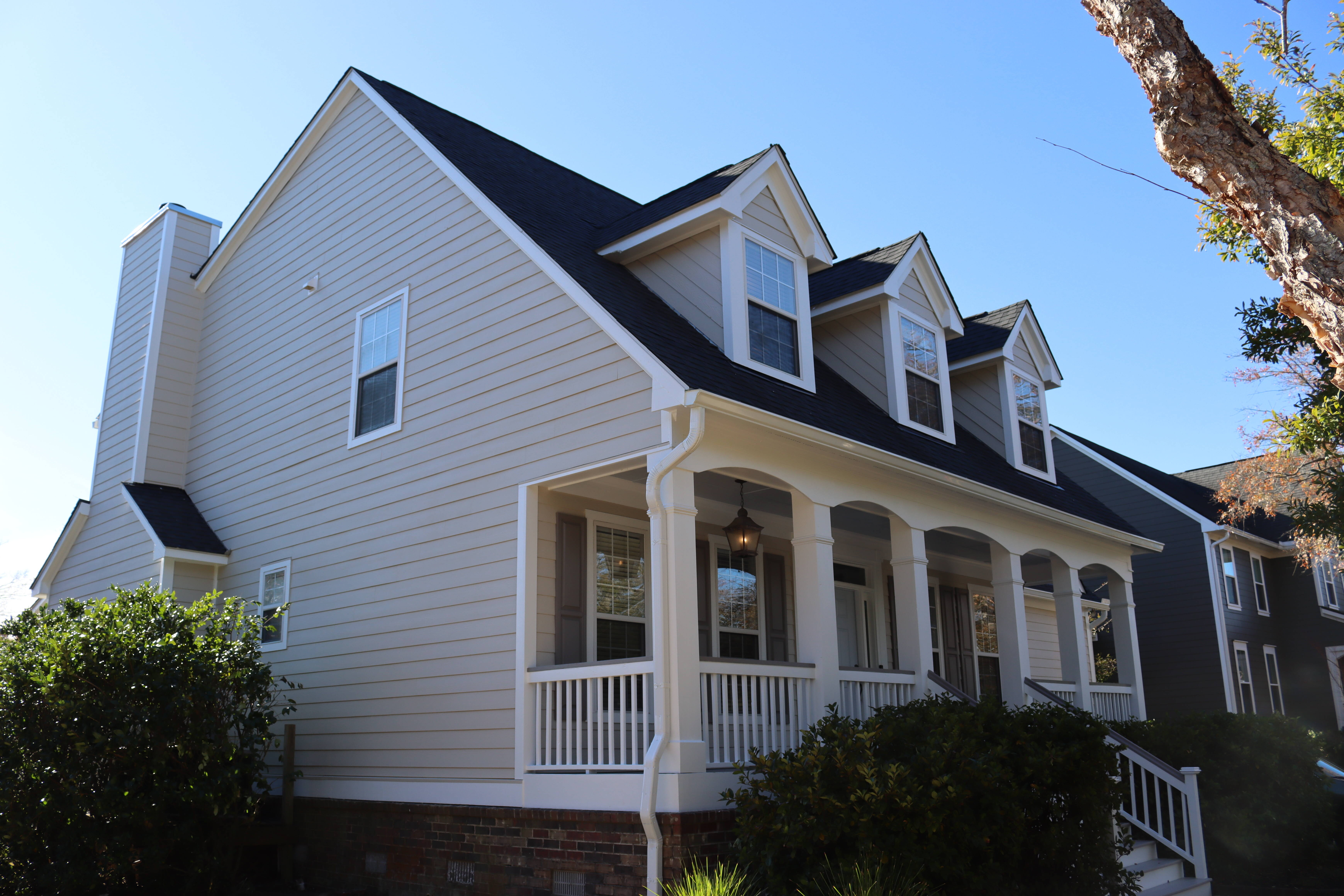 Why Installation and Maintenance Matter
Charleston’s weather not only tests roofing materials - it tests installation quality. Proper fastening, flashing, ventilation, and moisture barriers are critical to helping roofs withstand heat, humidity, and storm exposure.
Routine maintenance and professional inspections help identify small issues before they turn into costly repairs, extending roof lifespan and preserving long-term performance. Homes that work with local roofing contractors experienced in Charleston conditions are better positioned to handle the challenges of the Lowcountry climate.
Final Thoughts
Charleston’s climate plays a significant role in how roofs perform over time. Heat, humidity, storms, and coastal exposure require roofing systems that are designed and installed to handle moisture, UV radiation, and wind stress.
Understanding how local weather affects roof performance allows homeowners to take a proactive approach to protection and maintenance. Whether evaluating storm damage, planning a roof replacement, or scheduling routine inspections, choosing professionals who understand Charleston’s unique climate helps ensure roofs are built to last. If you are having issues with your roof, or just want it checked out, we recommend contacting a local roofing expert!