
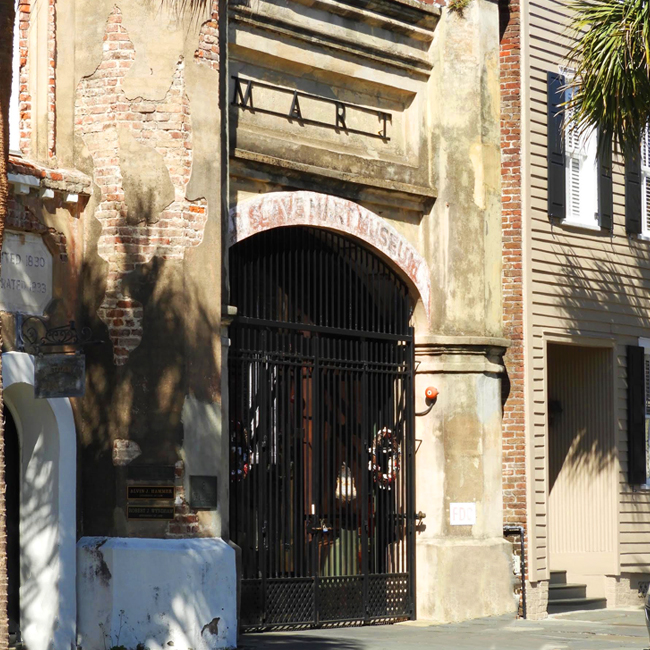
The history of the enslaved African Americans brought against their will to the port of Charleston in the 17th , 18th and 19th centuries is similar to peeling back the layers of an onion – there’s always another layer to discover. The best place to begin to unpack the institution of slavery in Charleston is the Old Slave Mart Museum at 6 Chalmers Street, open Monday-Saturday, 9:00 a.m. – 5:00 p.m. Built in 1859, this structure is the only surviving example of a slave auction house or gallery in South Carolina, and it has been on the National Register of Historic Places since 1975.
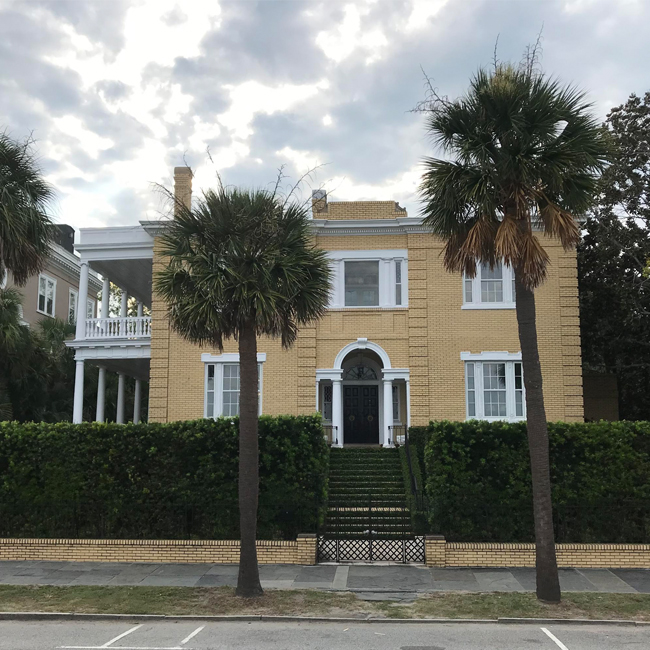
19 East Battery is the newest house on this historic strip, turning 99 years old this year. This double house constructed of brick on a raised basement with a double side piazza was designed in 1920 by Albert Simons, a native and famous architect son of Charleston. With almost 7,000 square feet, “the gold house” as it is often referred to, is an early 20 th century Charleston mansion.

Written by Madison Baxley, College of Charleston Marketing Major
Charleston is a city that attracts many tourists with its Southern charm, historic sites, and great year-round weather. There’s no better way to experience all that our city has to offer than to participate in an adrenaline-pumping outdoor activity. Venture into the “Great Outdoors” for these ten activities to add a little adrenaline and adventure to your Charleston vacation.
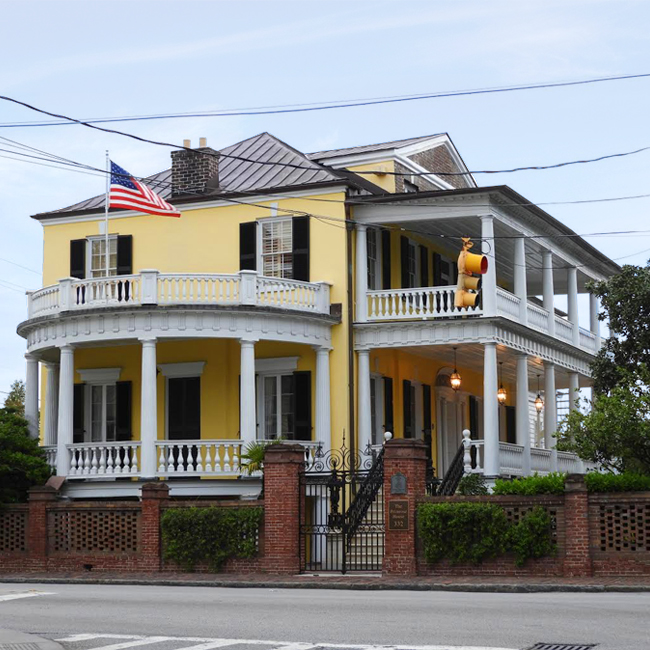
332 East Bay Street was built in 1817 in the Regency style. This stuccoed brick home, painted a cheery yellow, has side piazzas and a curved piazza on the front. Since 332 East Bay sits on a corner with a small business strip to one side with a substantial garden on the other side of this large lot, Primrose House stands out in the immediate vicinity.
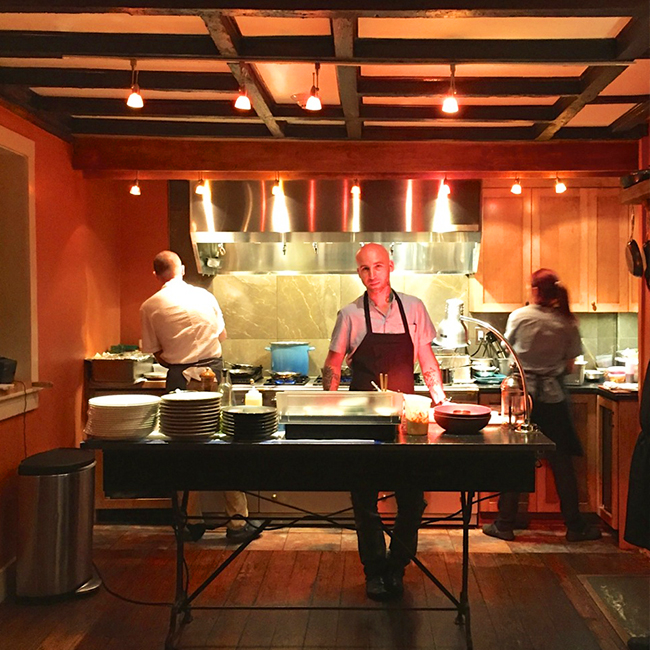
Written By: Vinson Petrillo
What’s all the buzz on buttermilk? Buttermilk, a fermented dairy product, is on the rise as one of the freshest culinary trends. Not only is buttermilk a staple in classic Southern comfort foods, but it also can be used a number of nuanced ways. It is praised for both super versatile in sweet and savory dishes, and also super sustainable! The best part? It’s easy to make!
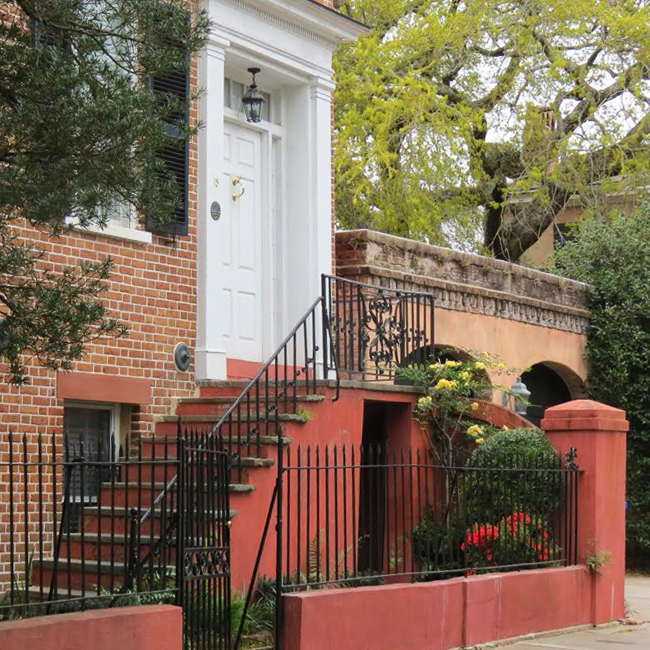
15 Church Street is part of the early 18 th century extension of Church Street after Vanderhorst Creek (now aptly named Water Street) was filled in. The property was originally owned by Captain Timothy Phillips of the Revolutionary War era, but the present house dates from 1842. The front of the property gives no indication of the size of this large property with dependency buildings.
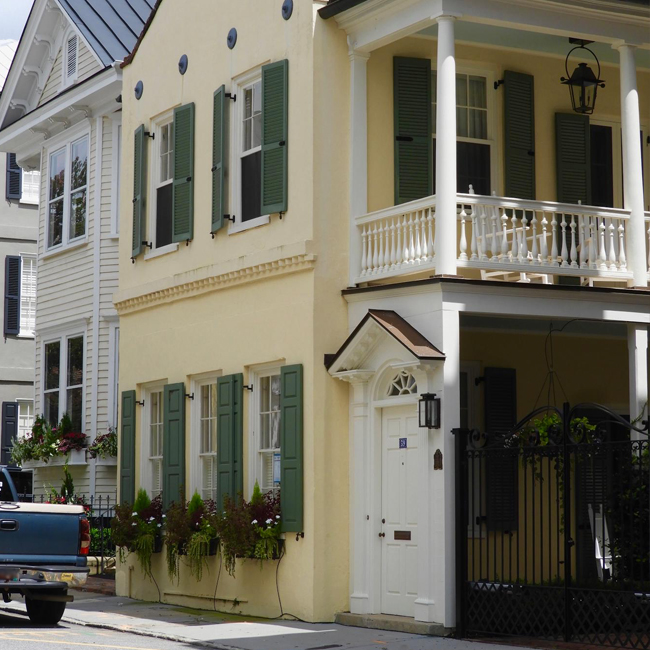
59 Tradd Street is a jewel of a property, built by John Dart in 1773. 59 Tradd is a single house with approximately 2800 square feet, a small house by Charleston standards and the color of butter.
In the early part of the 20 th century, 59 Tradd became home to a young Alicia Rhett, one of Charleston’s most famous residents. Alicia was born in Savannah, but she was what Charlestonians would call well connected.
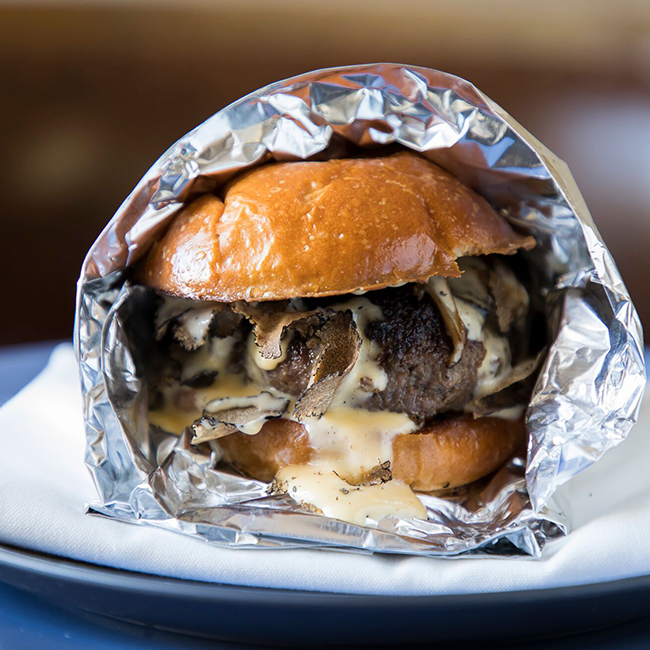
Zero George is changing up their infamous “Royale with Cheese” recipe for the summer to participate in the Blended Burger Project presented by the James Beard Foundation and the Mushroom Council. The Blended Burger Project is a nationwide competition that encourages chefs to create a healthier, more sustainable, and tastier burger by swapping out at least 25 percent of the ground meat for finely chopped mushrooms.
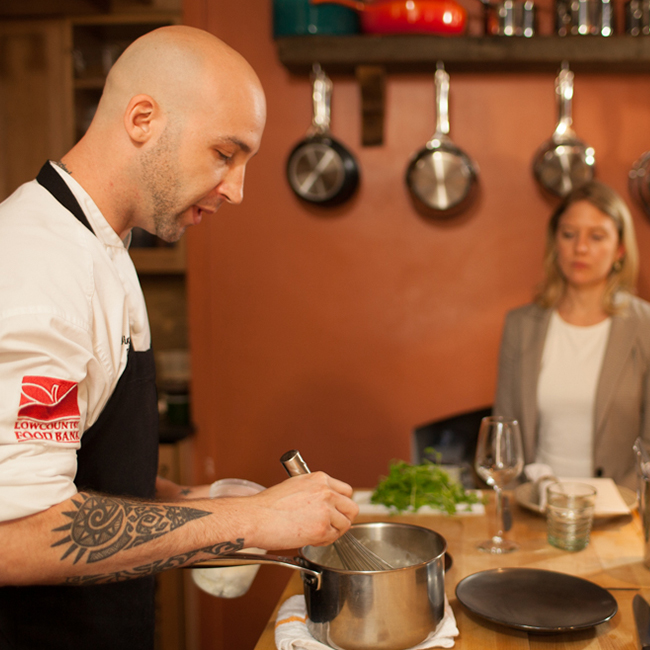
For those who really want to stir up something special in Charleston, the Zero George Cooking School offers a unique way to expand your culinary repertoire. Hosted in our 1804 kitchen carriage house and taught around our beloved Heston range, our cooking classes led by our own Chef Petrillo are an epicurean experience you’ll not soon forget.
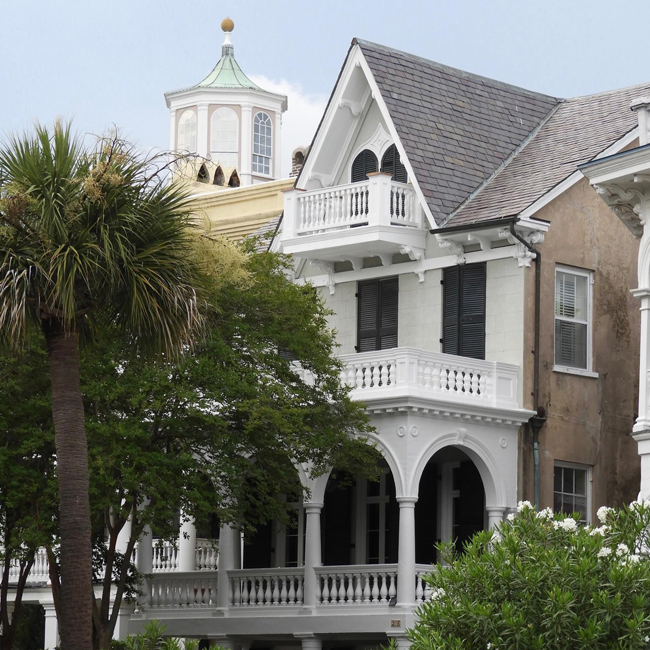
This week we simply go next door from last week's post and visit 28 South Battery, built in 1860. While we don't have a sprawling Italian villa like 26 Battery, we do have the second floor arcades that mimic the house next door.
This approximately 5,000 square foot house was built by George S. Cook, the famous Civil War photographer. Cook, an orphan, later attempted several unsuccessful careers, but found his calling when the daguerreotype was born. He would set up a studio in a town, teach photography, then sell his business to his students and move to another town. He finally came to Charleston in 1849, built 28 South Battery the same year South Carolina seceded from the Union, and proceeded to document the Civil War here in photographs. Cook is also known for his photographs of the 1886 earthquake in Charleston.
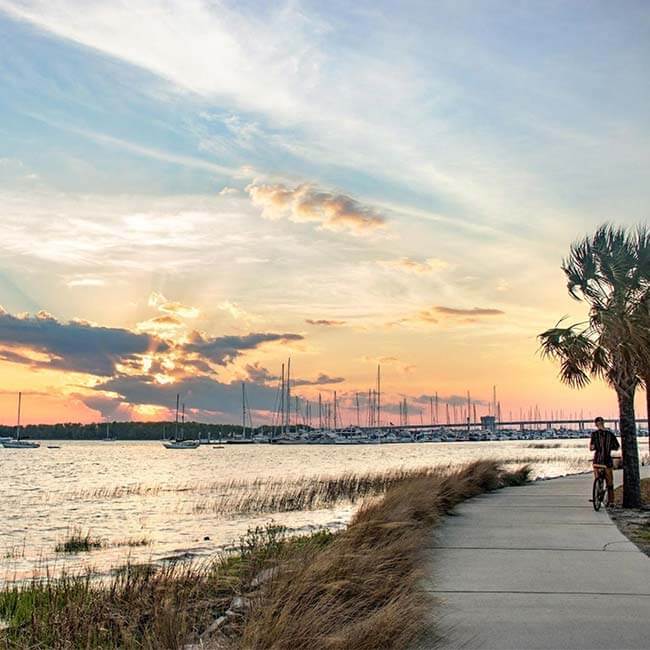
With its fine dining, historic mansions and pristine beaches, Charleston often gives visitors the impression of being an opulent city. While it’s true that many locals and visitors take advantage of Charleston’s more luxurious offerings, there are also plenty of ways to enjoy the Holy City on a budget.
In fact, one of the best things about Charleston is that many of its attractions are free. Rather than burn a hole in your wallet, consider this list of free things to do in the Holy City.